친구 중에 얻어먹는 걸 못 견디는 녀석이 있었다. 밥을 사면 반드시 다음에 커피라도 샀고, 그걸 못 하면 안절부절못했다. 신세를 지는 게 싫은 게 아니라, 장부가 안 맞는 걸 못 견디는 쪽이었다. 받은 게 있으면 갚아야 잠이 오는 사람. 그런 사람은 대개 원한도 오래 품지 못한다. 맞으면 그 자리에서 되받아치고, 되받아치고 나면 그걸로 끝이다. 미움을 통장에 적립하듯 쌓아두는 사람이 있고, 그 자리에서 정산하고 잔액을 0으로 만드는 사람이 있다. 후자는 손해를 보는 것 같지만, 실은 미움에 발목 잡히지 않는다.
『에반게리온』에 그런 사람이 하나 있다. 정신 상태가 성한 인물을 찾기가 더 어려운 이 작품에서, 드물게 셈이 분명한 소년. 스즈하라 토지. 그는 신지를 주먹으로 때리고, 얼마 뒤 제 손으로 사과하고, 그걸로 정산을 끝낸다. 미움을 오래 들고 있지 못하는 사람. 이 글은 그 짧은 유효기간에 대한 이야기다.
오래 미워하지 못하는 힘 — 니체
토지가 신지를 처음 대하는 방식은 폭력이다. 제 여동생이 신지의 첫 전투 여파로 다쳤다는 걸 알고, 그는 신지를 불러내 때린다. 그런데 이 장면에서 눈여겨볼 것은 때린다는 사실이 아니라, 그 미움이 얼마나 짧게 끝나는가다. 얼마 뒤 그는 신지가 조종석에서 무엇을 견뎠는지를 보고, 제가 먼저 사과한다. 미움에서 화해까지의 간격이 짧다.
니체는 도덕의 계보에서 두 종류의 인간을 가른다. 한쪽은 원한을 통장처럼 쌓는 사람이다. 침묵하는 법, 잊어버리지 않는 법, 기다리는 법을 아는 사람. 그의 영혼은 곁눈질을 하고, 그의 정신은 은신처와 뒷문을 좋아한다. 다른 한쪽은 원한이 나타나더라도 곧바로 뒤따르는 반작동으로 그것을 소진해버리는 사람이다. 니체는 이쪽을 두고, 제 적과 재난과 비행(非行)까지도 그렇게 오래 진지하게 생각할 수 없는 것 — 조형하고 치유하고 망각할 수 있는 힘이 넘치는 인간의 표시라고 적었다. 그가 든 예가 미라보다. 사람들이 자신에게 가한 모욕을 기억하지 못했고, 이미 잊었기에 용서할 것조차 없었던 사람. 니체는 여기 한 문장을 더 얹는다. 진정 적에 대한 사랑이 있다면 그런 인간에게서만 가능하다고.
토지의 주먹과 사과 사이의 짧은 간격이 이 문장 위에 얹힌다. 그는 미움을 적립하지 못한다. 맞은 것도, 때린 것도, 그 자리에서 정산하고 잔액을 비운다. 그가 나중에 신지의 목숨을 구해준 상대에게 제가 먼저 손을 내미는 것은 관대함이라기보다, 원한을 오래 들고 있을 그릇 자체가 없기 때문이다. 니체의 눈으로 보면 이건 약함이 아니라 힘의 과잉이다.
다만 니체의 독법에는 그가 거의 언급하지 않은 자리가 하나 있다. 그 힘을, 그는 귀족의 것으로 돌렸다는 점이다. 넘치는 생명력, 지배자의 여유에서 오는 망각. 그런데 토지는 귀족이 아니다. 아픈 여동생을 아버지 대신 간호하고, 병원비 때문에 목숨을 거는 자리로 걸어 들어가는 소년이다. 니체가 힘의 과잉이라 부른 그 덕이, 정반대의 자리 — 가진 것 없는 자리에서도 나온다면, 그 원인을 다시 물어야 한다. 그 물음을 받는 것은 함경도의 의사다.
갚을 수 있는 회한 — 프로이트
토지가 신지를 때리러 올 때 그는 이상한 말을 한다. 나를 때리라고. 제 잘못 밑에 그은 분명한 선이다. 프로이트가 이 선에 맞는 메모를 하나 남겼다. 회한(remorse)이라는 말은 공격이 실제로 실행된 뒤의 반응에만 써야 한다고, 그리고 회한은 그 자체가 처벌이며 처벌 욕구를 포함한다고. 죄책감은 양심보다도 오래된 것일 수 있다고.
토지의 죄책감은 갚을 수 있는 종류다. 여동생이 다쳤고, 그 원인이 제 머릿속에서 신지였고, 그래서 때리고, 그다음 신지의 두려움을 보고 정정한다. 그의 죄책감도 장부 위에서 돈다. 저지른 잘못, 청구된 처벌, 닫힌 잔액. 해소되는 죄책감이다 — 출구가 있다.
프로이트는 같은 글에서 반대편 극을 가리킨다. 초자아가 세워지고 나면 실행된 공격과 의도된 공격의 차이가 힘을 잃고, 실제로 하지 않고 의도만 한 폭력으로도 죄책감이 생겨난다고. 그 죄책감에는 출구가 없다. 밑에 선을 그을 행위 자체가 없으므로 갚을 수가 없다. 토지는 그로부터 정반대 자리에 있다. 그의 장부는 오직 행위 위에서만 — 준 주먹, 받은 주먹 — 돌고, 행위는 정산할 수 있다. 이것이 갚을 수 있는 경제이고, 이 작품의 다른 소년 하나가 끝내 접근하지 못한 바로 그 경제다. 그 소년은 마지막 자리에 남겨둔다.
청구서 없이 내미는 밥 — 불교
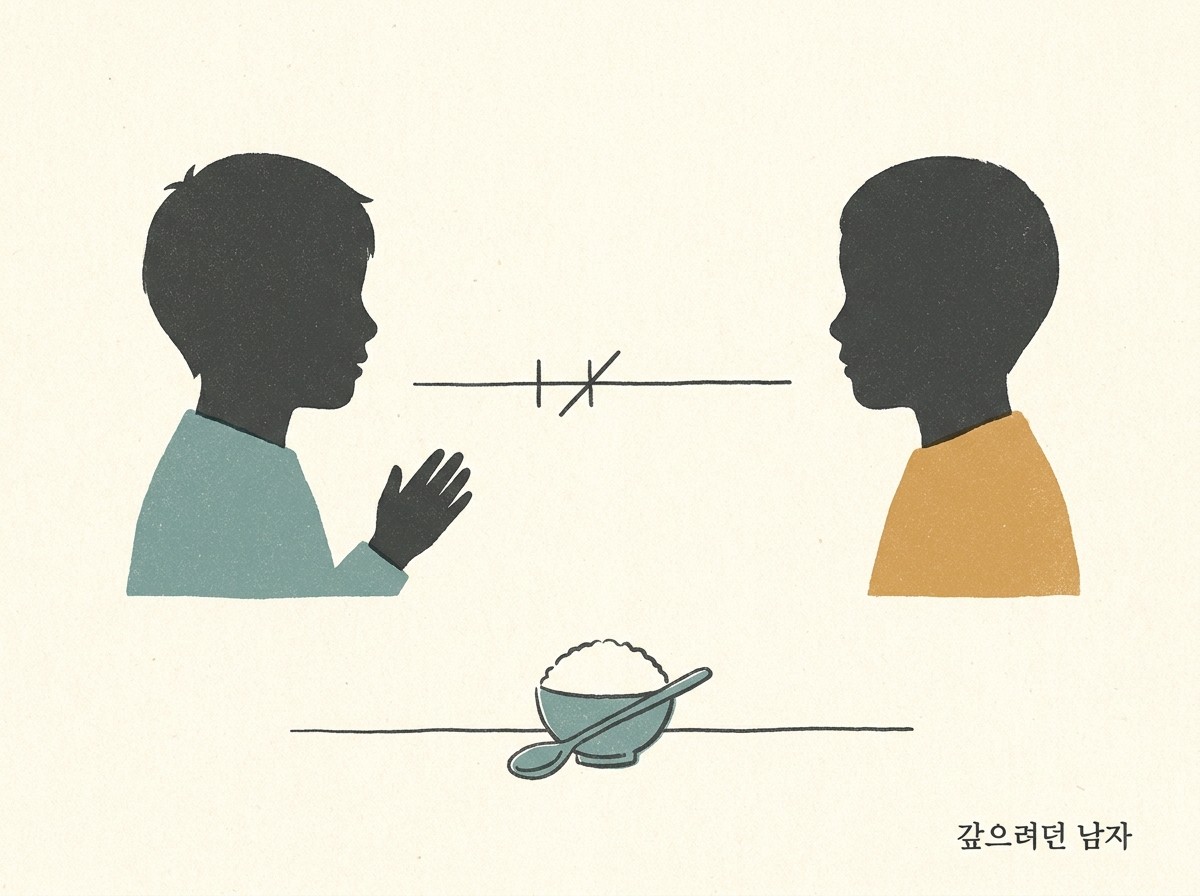
신극장판에서 몇 년 뒤, 토지는 생존자들이 모인 제3마을에서 그곳의 의사로 산다. 말을 잃고 한구석에 쭈그린 신지는 토지가 끓인 죽마저 거부한다. 토지는 그 장부를 밀어붙이지 않는다. 죽을 내려놓고, 그대로 둔다. 대가를 청구하지 않고, 청구서를 내밀지 않는다.
금강경 제4분은 머무는 바 없는 행(行)이라 불리는 것을 적어둔다. 보살은 마땅히 어떤 법에도 머문 바 없이 보시를 행할 것이라고 — 형상에 머물지 말고, 소리·냄새·맛·어떤 법에도 머물지 말고. 머묾 없이 보시하면 그 복덕은 헤아릴 수 없다고. 장부를 남기지 않는 보시다. 토지의 전부는 장부 위에서 돌았다. 되받은 주먹, 갚은 신세, 비운 잔액. 그런데 여기, 장부의 인간이 장부를 남기지 않는 밥그릇 하나를 내려놓는다. 그가 정산을 멈춘 것은 무슨 교리를 배워서가 아니다. 갚을 수 없는, 정산할 행위조차 없는 소년 앞에서는, 장부에 적을 것이 남지 않기 때문이다.
방자하지 않은 자리 — 이제마
이제마의 격치고에는 艮이라는 이름이 붙은 잠언이 있고, 그 안에 묘한 목록이 하나 있다. 가난한 자의 마음은 가난하기에 방자하지 않고, 천한 자의 마음은 천하기에 오만하지 않다. 그리고 반대편 극. 방자한 자의 마음은 부유하기에 더 방자해지고, 오만한 자의 마음은 귀하기에 더 오만해진다. 같은 성정이 낮은 자리에서는 한쪽으로, 높은 자리에서는 정반대로 기운다. 사람이 방종하느냐 절제하느냐는 사람보다 그가 놓인 자리가 결정한다는 것이다.
여기서 이 독법이 니체와 교차하며 그를 뒤집는다. 니체는 오래 미워하지 않는 그 힘을 귀족의 과잉으로 돌렸다 — 여유 있는 생명력, 넉넉한 자의 망각. 이제마는 같은 결과를 정반대 끝에서 얻는다. 가난한 자는 가난하기에 방자하지 않고, 부지런한 자는 부지런하기에 방자하지 않다. 사람을 붙드는 것은 과잉이 아니라 자리의 낮음이다. 토지는 미라보가 아니다. 낮은 자리의 부지런한 사람 — 여동생을 간호하고 병원비 때문에 목숨을 거는 자다. 니체가 귀족에게만 허락한 덕을, 이제마는 평지의 사람에게 돌려놓는다.
이제마는 그 전복을 경계로 바꾸는 한 문장을 덧붙인다. 천하의 부지런한 사람은 그 몸이 맞지 않으니 방자가 스스로를 치고, 방자한 사람은 제 몸이 스스로를 치는 동안 부지런한 사람은 제 부지런함을 얻는다고. 자리가 일을 한다. 방자한 자리에 놓이면 사람은 방자와 참람으로 증폭되고, 낮은 자리에 놓이면 거기 팔리지 않는다. 이 시리즈의 나머지에 비추면 이 문장에는 짝이 있다. 겐도가 권세가 증폭시켜 끝내 제게 돌아온 방자한 사람이라면, 토지는 같은 권세가 비껴간 낮은 자리의 부지런한 사람이다. 한 자리는 굳었고, 한 자리는 굳을 필요가 없었다.
다만 이 독법도 마지막에 걸린다. 이제마의 잠언은 그침으로 끝난다 — 만족을 알고 그침을 알아 안택(安宅)에 머무는 것. 토지는 신극장판에서 그 그침에 이른다. 마을의 의사, 아내, 아이, 내려놓은 죽 한 그릇. 그런데 그 그침은 자리가 보장해준 것이 아니었다. 모든 장부를 정산하게 해주던 그 경제가, 한 번은 아무런 소용이 없었다.
닫히지 못한 장부
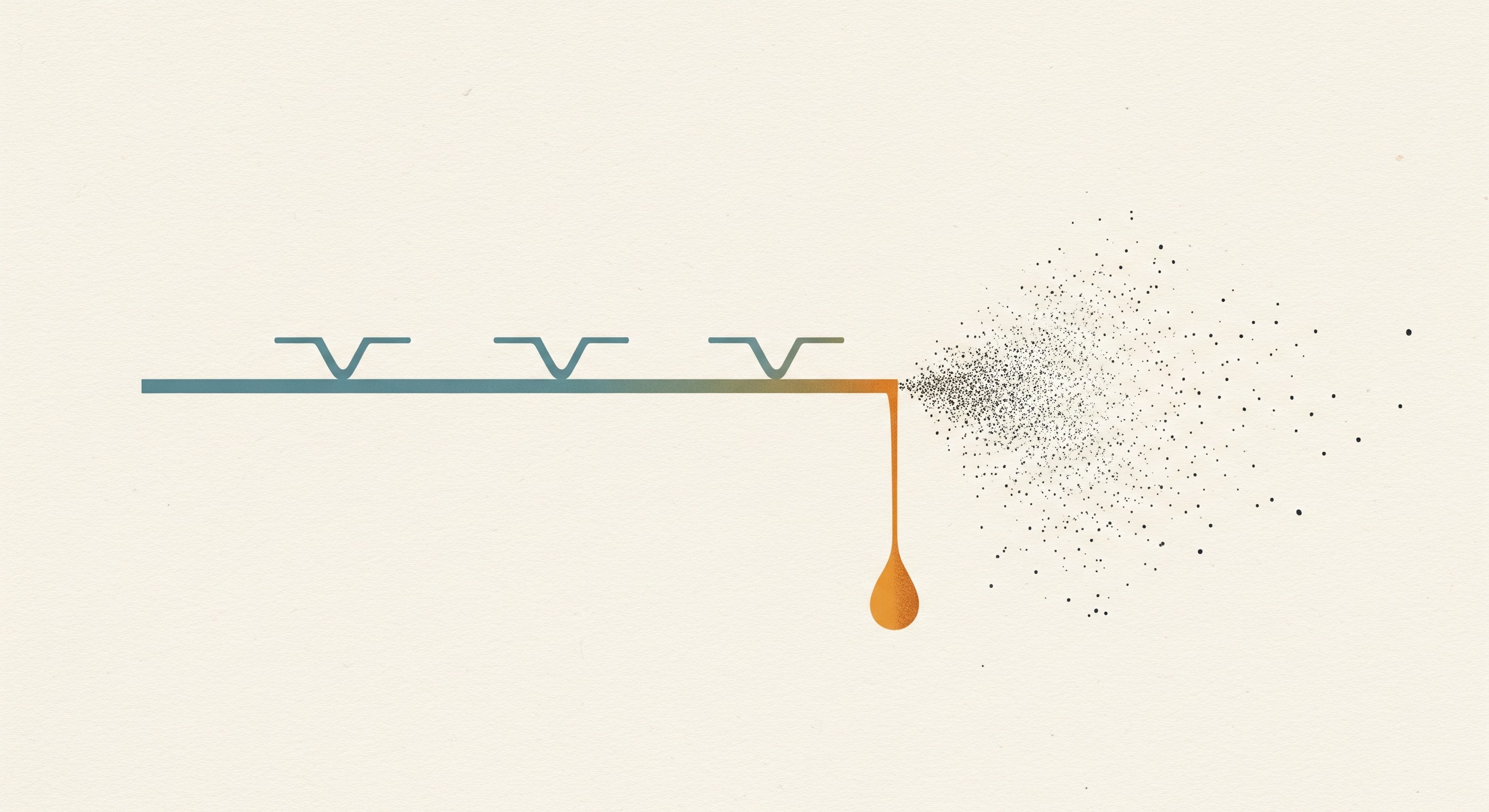
정산의 경제가 멈추는 지점이 있다. 신극장판 세 번째 작품에서 토지는 더미플러그로 기동한 3호기 안에서 부서진다 — 사실상, 남의 명령으로 움직인 초호기의 손에. 거기서 그를 부순 것은 갚을 수 있는 사람이 아니다. 勢, 구조의 힘이다. 상대가 없는 損. 상대 없는 손해 앞에서 장부는 무효가 된다. 칠 상대도, 적을 빚도, 비울 잔액도 없다. 모든 것을 정산하던 사람이, 한 번은 정산할 수 없는 것을 만난다.
이것은 그의 잘못도 실패도 아니다. 그의 힘 전부가 갚을 수 있는 경제 — 그 자리에서 모든 장부를 닫는 능력이었다. 그 힘에는 한 가지 맹점이 있다. 상대가 있는 곳에서만 작동한다는 것. 장부의 반대편이 얼굴이 아니라 구조일 때, 장부 자체가 무의미해진다. 그리고 바로 거기, 무효가 된 장부 위에서 신극장판의 죽 한 그릇이 내려진다. 되갚음이 아니다. 더는 맞출 수 없는 장부 위에, 머묾 없이 내미는 보시다.
그래서 나는 이 소년을 앞서 쓴 여자에 비추어 읽는다. 둘은 같은 자리에 선다 — 남의 이끎과 유혹이 나에게 밀려오는 넓고 섞인 場. 그 여자는 거기서 원한을 붙들었고, 가장 큰 미움이 가장 단단한 굳음으로 남았다. 이 소년은 그 자리에서 원한을 흘렸고, 장부가 0으로 닫혔다. 같은 자리, 정반대의 정산. 그것을 가른 것은 사람이 아니라 자리가 쥐여준 장부를 각자 어떻게 했느냐다. 하나는 열어두었고, 하나는 닫았다.
나는 얻어먹는 걸 못 견디던 그 친구를 아직 생각한다. 그 자리에서 정산하고 잔액을 비우는 데에는 힘이 있다 — 적립된 원한도, 짊어진 것도 없는. 그러나 그 힘은 상대가 있는 곳에서만 성립한다. 어떤 손해는 반대편에 아무도 없고, 그 앞에서 장부는 무효가 되고, 사람은 제가 열지도 않았고 닫을 수도 없는 미정산 계정을 손에 든 채 남는다. 그때 토지가 하는 것은 그의 경제가 처방할 수 없던 것이다. 장부 적기를 멈추고, 밥그릇 하나를 내려놓는 것. 영영 맞출 수 없는 장부 위에 청구서 없이 무언가를 내미는 것 — 그것이 아마, 갚음이 아닌 유일한 갚음이다.
— 최장혁 —
이 인물을 두 사람의 대화로 듣는다.
I had a friend who couldn’t stand being treated. Buy him a meal and he would insist on the coffee next time; if he couldn’t, he grew visibly restless. It wasn’t that he disliked owing a favor — he couldn’t bear the ledger not balancing. A man who had to settle before he could sleep. People like that, as a rule, can’t hold a grudge for long either. Hit them and they hit back on the spot, and once they’ve hit back, that’s the end of it. There are people who bank their resentments like deposits, and people who settle on the spot and zero out the balance. The latter seem to take the loss, but in fact they never get caught by their own resentment.
There is one such person in Evangelion. In a work where a sane character is harder to find than a broken one, a rare boy whose accounts are clear. Toji Suzuhara. He strikes Shinji with his fist, apologizes of his own accord a little later, and with that closes the account. A man who cannot hold his resentment for long. This is a story about that short shelf life.
The Power of Not Hating Long — Nietzsche
Toji’s first way of dealing with Shinji is violence. Learning that his little sister was hurt in the fallout of Shinji’s first battle, he calls Shinji out and hits him. But the thing worth watching in that scene is not the fact of the blow — it is how quickly the resentment ends. A little later, having seen what Shinji endured in the cockpit, he is the one who apologizes first. The interval from hatred to reconciliation is short.
In On the Genealogy of Morals Nietzsche divides two kinds of people. One banks resentment like a savings account: the person who knows how to keep silent, how to forget nothing, how to wait. His soul squints; his spirit loves hiding-places and back doors. The other is the person in whom resentment, even when it appears, is at once discharged in the reaction that follows. Of this second kind Nietzsche wrote that being unable to take one’s enemies, one’s mishaps, even one’s misdeeds seriously for long is the sign of a strong, full nature with an overflow of the power to shape, to heal, and to forget. His example was Mirabeau, who had no memory for the insults and slights done to him, and who could not forgive because he had already forgotten. Nietzsche adds one more line: if there is ever such a thing as love of one’s enemy on this earth, it is possible only in such a person.
The short interval between Toji’s fist and his apology sits on that sentence. He cannot bank resentment. Whether struck or striking, he settles on the spot and empties the balance. That he later extends his hand first to the very person who saved his life is less generosity than the simple fact that he has no vessel to hold a grudge in for long. By Nietzsche’s lights this is not weakness but an overflow of strength.
But there is a place Nietzsche barely speaks of. He assigned this power to the noble. The overflowing vitality, the forgetting that comes of a ruler’s ease. And Toji is no aristocrat. He is a boy who nurses his sick sister in his father’s stead, and who walks into a place where he stakes his life because of the hospital bills. If the very virtue Nietzsche called an overflow of strength can also come from the opposite place — a place with nothing — then its cause must be asked again. The one who takes that question is a physician in Hamgyong Province.
Remorse You Can Pay — Freud
When Toji comes to hit Shinji, he says something odd. Hit me — a clean line drawn under his own wrong. Freud left a note that fits this line. He said the word remorse should be reserved for the reaction after an act of aggression has actually been carried out, and that remorse is itself a punishment and can include the need for punishment. Guilt, he wrote, can even be older than conscience.
Toji’s guilt is of the payable kind. His sister was hurt; the cause, in his head, was Shinji; so he strikes, and then, having seen Shinji’s fear, revises. His guilt runs on a ledger too. Wrong committed, punishment demanded, balance closed. It is a guilt that resolves — it has an exit.
Freud, in the same essay, points to the other pole. Once the super-ego is installed, the difference between an aggression intended and one carried out loses its force; guilt can then be produced by a violent act merely intended, never done. That guilt has no exit. It cannot be paid, because there is no deed to draw the line under. Toji is the whole distance from that. His accounts run only on deeds — a blow given, a blow received — and deeds can be settled. This is the payable economy, and it is exactly the economy that another boy in this story never had access to. I leave him for the last seat.
A Bowl Held Out Without a Bill — Buddhism
In the Rebuild films, years later, Toji lives in Village-3, a settlement of survivors, working as its doctor. Shinji, mute and curled in a corner, refuses even the porridge Toji has made. Toji does not press the account. He sets the bowl down and lets it be. He asks for nothing in return, presents no bill.
The fourth section of the Diamond Sutra sets down what is called the practice that dwells nowhere. A bodhisattva, it says, should give while dwelling in nothing — not dwelling in form, not in sound, smell, taste, or any dharma. Give without dwelling, and the merit cannot be measured. A gift that keeps no account. The whole of Toji had run on accounts: a blow returned, a debt repaid, a balance zeroed. And here, at the end, the man of the ledger sets down a bowl that keeps no account. He has not stopped settling because he learned a doctrine. It is that in front of a boy who cannot pay him back, and has no deed to be settled, there is nothing left to enter in the book.
The Sitting Where One Isn’t Reckless — Yi Je-ma
In Yi Je-ma’s 格致藁, Gyeokchigo, there is an admonition named for the trigram 艮, gan, and in it a curious list. The poor man’s heart, being poor, is not reckless; the lowly man’s heart, being lowly, is not arrogant. And then the other pole: the reckless man’s heart, being rich, grows more reckless; the arrogant man’s heart, being noble, grows more arrogant. The same disposition swings one way in a low place and the opposite way in a high one. Whether a person runs loose or holds steady is decided less by the person than by the sitting he is set in.
Here the reading crosses Nietzsche’s and reverses it. Nietzsche traced the power of not hating long to the overflow of the noble — vitality with room to spare, the forgetting of one who has plenty. Yi Je-ma reaches the same result from the opposite end. The poor man, being poor, is not reckless; the diligent man, being diligent, is not reckless. It is not surplus that holds a person steady but the lowness of the seat. Toji is not Mirabeau. He is the diligent man of the low place — the one who nurses his sister and stakes his life for the bills. The virtue Nietzsche granted only to aristocrats, Yi Je-ma returns to the man on flat ground.
Yi Je-ma adds a line that turns the reversal into a warning. Under heaven, he wrote, the diligent man’s body is not struck — recklessness strikes itself; the reckless man’s body strikes itself while the diligent man gains his diligence. The seat does the work. Set in the reckless place, a person amplifies into arrogance and self-aggrandizement; set low, he is not sold to it. Read against the rest of this series, the sentence has a mate. Where Gendo is the reckless man whom power amplified until it turned on him, Toji is the diligent man of the low seat, whom the same power passed by. The one place could not hold; the other did not need to.
But this reading, too, catches at the last. Yi Je-ma’s admonition ends in rest — knowing enough and knowing when to stop, coming to rest in the settled dwelling. Toji reaches that rest in the Rebuild films: a doctor in a village, a wife, a child, a bowl of porridge set down. And yet the rest was not something the seat guaranteed. The economy that let him settle every account had, once, no purchase at all.
The Account That Could Not Be Closed
There is a point where the settling economy stops. In the third Rebuild film, Toji is broken inside Unit-03, run on a dummy plug — killed, in effect, by Unit-01 under someone else’s command. What broke him there was not a person he could pay back. It was 勢, the force of the structure. A loss with no one on the other side of it. And in front of a loss with no counterparty, the ledger goes void. There is no one to strike, no debt to enter, no balance to zero. The man who settled everything meets, once, the one thing that cannot be settled.
This is neither his fault nor his failure. His whole strength was the payable economy — the ability to close every account on the spot. That strength has one blind side: it works only where there is a counterparty. Where the other side of the ledger is a structure and not a face, the book itself becomes meaningless. And it is exactly there, on the voided book, that the bowl of porridge in the Rebuild films is set down. Not a repayment. A gift that dwells nowhere, held out over a ledger that can no longer be balanced.
Which is why I read this boy against the woman I wrote of before. They stand at the same seat — the wide, mixed field where others’ pull and provocation come at a person. She held her resentment there, and the largest hatred stayed as the hardest solidity. He let his slip on the spot, and the account came out at zero. Same seat, opposite settlement. What decided it was not the person but what each did with the ledger the seat handed them: one kept it open, one closed it.
I still think of the friend who couldn’t stand being treated. There is a strength in settling on the spot and emptying the balance — no resentment banked, nothing carried. But that strength holds only where a counterparty exists. Some losses have no one on the other side, and in front of those the ledger goes void, and the person is left holding an unsettled account he did not open and cannot close. What Toji does then is the thing his whole economy could not prescribe: he stops keeping the book, and sets down a bowl. To hold something out without a bill, over an account that will never balance — that, perhaps, is the one payment that isn’t a payment.