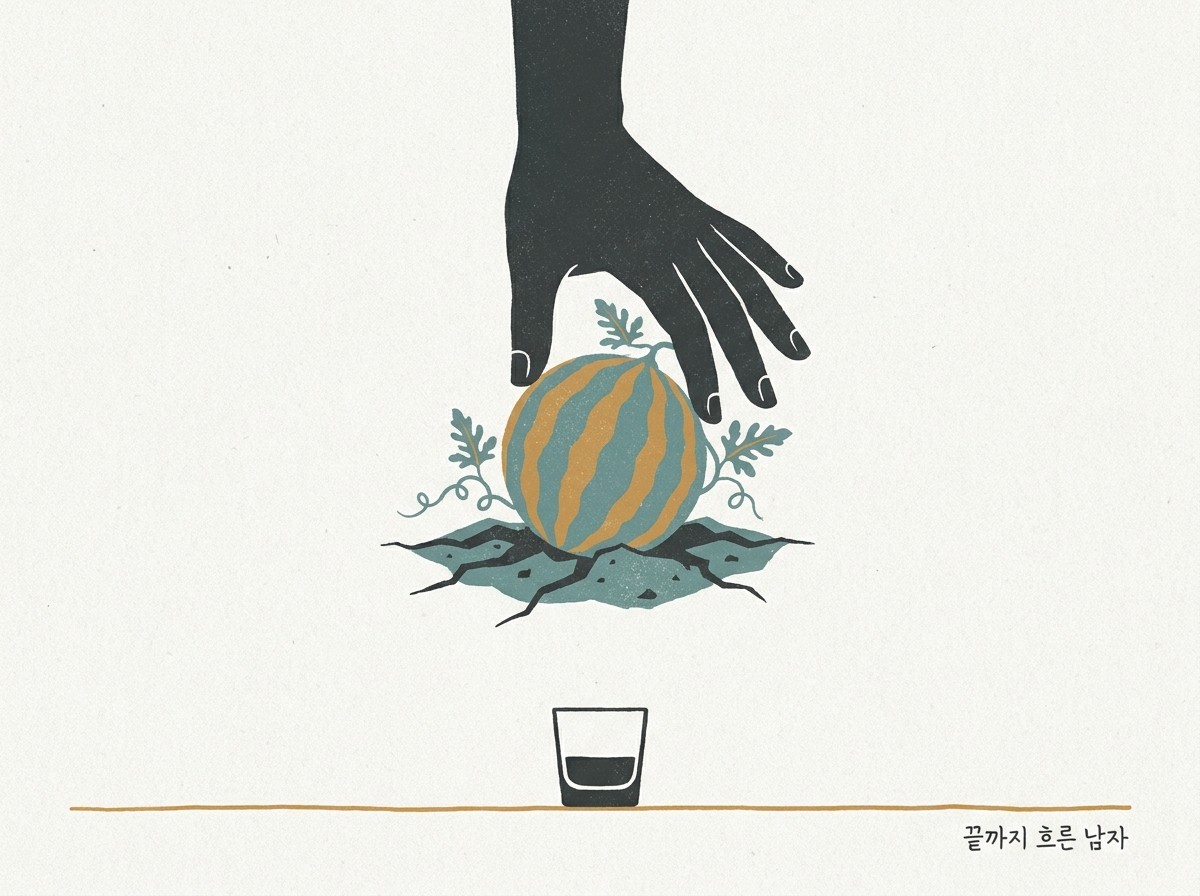
심은 사람이 그 열매를 못 먹을 걸 알면서 심는 일이 있다. 가로수를 심는 노인이 그렇고, 자기가 가르친 아이가 어디서 무엇이 될지 끝내 모르는 교사가 그렇다. 결실의 자리에 자기가 없을 걸 알면서도 흙을 만지는 손. 그런 손은 좀 이상하다. 거두지도 못할 걸 왜 심나.
『에반게리온』의 카지 료지가 그런 손을 가졌다. 세계가 반쯤 무너지고 거대한 사도가 하늘에서 떨어지던 시절, 그는 기지 한구석에서 수박을 길렀다. 물을 주고, 잎을 살피고, 아직 주먹만 한 열매를 손바닥으로 받쳐 보면서. 왜 이런 걸 키우냐고 누가 물으면 그는 특유의 웃음으로 받아넘겼다. 누군가는 돌봐야지. 내가 없어도 누가 물은 주겠지.
그는 늘 그런 식이었다. 진지한 자리에서 농담을 하고, 위험한 곳에 헐렁한 셔츠 차림으로 나타나고, 사람들에게 가볍게 굴었다. 그런데 그 가벼움 아래에서 그는 누구보다 위험한 일을 하고 있었다. 어느 편에도 속하지 않은 채 모든 편의 비밀을 캐는 일. 알면 죽는다는 걸 알면서 멈추지 않는 일. 나는 오랫동안 이 남자가 잘 풀리지 않았다. 가벼운 건가 깊은 건가. 도망치는 건가 통달한 건가. 그를 들여다보려고 몇 권의 책을 꺼냈는데, 책마다 카지를 다르게 진단했고, 묘하게도 그 진단들이 그에게 가서 자꾸 미끄러졌다.
농담 속에 감춘 것 — 프로이트
프로이트라면 카지의 그 웃음을 먼저 봤을 것이다. 그는 농담을 단순한 유머로 보지 않았다. 사람이 감당하기 어려운 것 앞에서 웃을 때, 그 웃음은 자아가 현실의 무게에 짓눌리지 않으려고 들어 올리는 방패라고 했다. 교수대로 끌려가는 사형수가 월요일 아침에 “한 주 잘 시작하는군” 하고 농을 던지는 장면을 그는 즐겨 인용했다. 그 농담은 두려움을 못 느껴서가 아니라, 두려움에 먹히지 않으려고 자아가 부리는 마지막 위엄이다. 프로이트는 이걸 깎아내리지 않았다. 오히려 거의 영웅적인 것으로 봤다. 다만 그가 짚는 건 하나다. 그렇게 웃는 사람은 진짜 감정을 정면으로 마주하는 대신 그 옆으로 비껴 지나간다는 것.
카지의 가벼움도 그렇게 읽힌다. 농담으로 감싸면 어지간한 진실도 안전하게 흘릴 수 있다. 농담 속에서는 정말 위험한 말도 던질 수 있으니까. 프로이트는 그게 검열을 우회하는 방식이라고 했다. 카지가 헐렁한 말투로 미사토에게, 신지에게 정작 무거운 것을 흘려 넣을 때, 그 가벼움은 전달의 기술이자 동시에 자기를 안 다치게 하는 포장이었을 것이다.
그리고 그가 죽음을 향해 걸어간 것. 프로이트라면 이건 더 깊은 데서 끌어왔을 것이다. 그는 사람 안에 쾌락원칙 너머의 힘이 있다고 봤다. 고통스러운 자리, 끝이 정해진 자리로 자기도 모르게 되돌아가 되밟는 충동. 그런 사람은 마치 악령에 씌었거나 사나운 운명에 쫓기는 것처럼 보이지만, 사실 그 운명을 짜는 건 자기 자신이라고 했다. 모든 생명의 목적은 결국 죽음이라던 그 음울한 문장. 카지가 알면 죽는 줄 알면서 멈추지 않은 건, 프로이트의 손에서는 죽음 쪽으로 끌리는 무의식의 행진이 된다. 결정적으로 그는 이렇게 덧붙였다. 무의식은 자기 죽음을 믿지 않는다고. 부정이라는 걸 모르기 때문에, 사람은 속으로는 자기가 안 죽을 것처럼 굴며 위험 속으로 성큼성큼 들어간다고.
흠잡을 데 없는 진단이다. 카지는 정말 회피하는 사람처럼 보이고, 정말 죽음에 끌리는 사람처럼 보인다. 그런데 이 진단을 다 읽고 나서도 무언가가 안 잡힌 채로 남는다.
가벼운 가면, 무거운 그림자 — 융
융을 펴면 다른 각도가 열린다. 융은 사람이 세상에 내놓는 얼굴을 페르소나라고 불렀다. 사회와 나 사이의 타협으로 만들어진 일종의 가면이다. 그는 가면을 쓰는 것 자체를 병으로 보지 않았다. 오히려 페르소나 없이 사는 사람은 끝없는 오해와 사회적 사고에 시달린다고, 가면은 살아가는 데 꼭 필요한 도구라고 했다. 문제는 자아가 자기를 가면과 똑같은 것으로 착각할 때 생긴다. 내가 연기하는 역할이 곧 나라고 믿어버리면, 진짜 나는 억눌려 무의식으로 가라앉는다. 그러나 가면을 의식적으로 쓰면서 나와 역할 사이에 거리를 두는 사람은, 그 가면을 세상과 관계 맺는 도구로 안전하게 부린다. 카지는 분명 후자에 가깝다. 자기가 바람둥이를 연기하고 있다는 걸 누구보다 잘 아는 사람이었으니까.
융의 진짜 칼은 그다음에 있다. 그는 극단은 늘 그 반대를 의심하게 만든다고 했다. 보통은 단정한 가면 뒤에 어두운 충동이 숨는다고 생각하지만, 융은 그 반대도 똑같이 흔하다고 봤다. 일부러 경박하고 무책임한 가면을 쓰는 사람 — 바람둥이, 농담꾼 — 그건 종종 악함의 포즈일 뿐이고, 그 뒤에는 도리어 진지하고 도덕적인 면이 무의식으로 가라앉아 있다는 것이다. 가면이 가볍게 굴수록 그림자는 무거워진다. 카지의 그 헐렁함 뒤에, 누구보다 진지하게 진실을 좇고 사람을 아끼던 무거운 얼굴이 숨어 있던 게 융의 도식과 정확히 맞는다.
그런데 융에게는 가야 할 곳이 있다. 그의 전체 여정은 흩어진 자기를 그러모아 중심을 세우는 일이다. 가면을 벗고, 그림자를 마주하고, 의식과 무의식을 하나로 통합해 진짜 자기에 이르는 것. 그 도착점을 융은 개성화라고 불렀다. 이 자를 카지에게 대면, 결과가 정해져 있다. 카지는 어느 자리에도 정착하지 않았고, 가면을 끝내 벗지 않은 채로 죽었다. 그러니 융의 도식에서 그는 자기에 도달하지 못한 사람, 통합을 못 이룬 미완이 된다.
여기서 나는 좀 멈칫한다. 융의 말도 틀린 데가 없다. 카지는 분명 어디에도 닿지 않았다. 그런데 그가 닿지 않은 것이 정말 못 닿은 건지, 안 닿은 건지를 융의 지도는 구별하지 못한다. 융에게는 도착하지 않는 것이 완성일 수 있다는 길이 그려져 있지 않기 때문이다.
어느 자리도 그를 다 갖지 못했다 — 이제마
두 진단을 나란히 놓고 보니 공통점이 보였다. 프로이트도 융도, 카지가 어딘가에 도착하기를 기다리고 있었다. 프로이트의 자아는 결국 자기에게로 돌아와 자기를 보존해야 하고, 융의 여정은 흩어진 조각이 중심으로 모여야 끝난다. 두 사람의 시계는 도착 시각을 재는 시계다. 그래서 도착하지 않은 카지는 어느 쪽에서나 지각한 사람처럼 보인다. 회피했거나, 미완이거나.
그런데 카지의 가벼움이 회피가 아니라 다른 무엇이라면 어떨까. 이 의심을 들고 나는 이제마의 『격치고』를 펼쳤다.
이제마는 사람이 혼자 있을 땐 멀쩡하다가 누군가와 부딪히는 자리에 서면 자기도 모르게 한쪽 역할로 떠밀린다고 적었다. 힘 있는 자가 곁에 오면 빼앗는 쪽으로, 약한 자가 오면 누르는 쪽으로. 그 자리가 사람에게 배역을 나눠준다는 것이다. 대개는 그 배역을 거절하지 못한다. 거절하려면 어느 자리에도 발을 깊이 담그지 않아야 하는데, 그건 외롭고 위태로운 일이라서.
카지가 한 일이 정확히 그 거절이었다. 그는 정부의 사람이면서 정부의 사람이 아니었고, 네르프의 사람이면서 네르프의 사람이 아니었다. 어느 자리도 그를 다 가지지 못했다. 이제마라면 이걸 유하혜에 빗댔을 것이다. 속임수가 만 가지로 다투는 한복판에 있으면서도 그 물에 휩쓸리지 않는 사람. 이제마는 그 비결을 한 구절로 적었다. 뜻은 강하게 갖되 스스로는 약하게 둔다. 힘을 쥐되 그 힘에 취하지 않는다는 말이다. 카지의 그 헐렁함, 그 농담, 어디에도 무게를 싣지 않는 가벼움이 어쩌면 그 약함의 다른 이름이었는지도 모른다. 무거워지는 순간 어느 자리에 묶이니까. 가벼워야 떠 있을 수 있으니까. 프로이트가 회피라고 부른 그 가벼움을, 이제마는 휩쓸리지 않으려고 팽팽히 당겨둔 긴장으로 읽는다. 같은 가벼움인데 한쪽에선 도망이고 한쪽에선 수양이다.
이쯤에서 장자가 떠오른다. 장자에도 비슷한 사람이 나온다. 위태로운 태자를 곁에서 모셔야 하는 이에게 한 노인이 일러주는 말. 몸은 그를 따라가되 빨려들지는 말고, 마음은 그와 어울리되 드러나지는 말라. 들어가 있되 굳지 않는 법이다. 카지가 산속으로 숨지 않고 진흙 한복판에 끝까지 발을 담근 채로 안 굳었던 것이, 그 노인의 말과 겹친다. 다만 장자의 그 사람은 그렇게 처신해 제 몸을 보전하려 한다. 위태로운 자리에서 살아남으려고 빨려들지 않는다. 카지는 거기서 한 걸음 더 간다. 그는 살아남지 못한다. 빨려들지 않은 채로, 끝내 죽는다.
그리고 그는 죽기 직전에 면을 열었다. 자기가 쥔 답을 떠넘긴 게 아니라, 미사토와 신지가 스스로 답을 찾는 자리에 서게 했다. 미사토에게는 진실을 직접 좇으라는 몫을 남겼고, 신지에게는 누가 시켜서가 아니라 네가 원해서 하라는 말을 남겼다. 이제마가 사랑을 정의한 자리가 바로 거기다. 사람을 사랑한다는 것은 그를 사랑하여 스스로 서게 하는 것이다. 돌봐서 내 곁에 두는 게 아니라, 내가 없어도 그가 서도록 하는 것. 수박을 심는 손과 같은 손이다. 내가 그 열매를 못 먹어도 누군가 먹을 것이고, 내가 물을 못 줘도 누군가 줄 것이다.
여기서 한 가지를 더 짚어야 한다. 그렇다면 카지는 다 이룬 사람인가. 이제마는 그렇게 말하지 않는다. 그가 적은 돌이킴 — 속이려는 마음이 행동으로 넘어가기 직전에 자기로 돌아서는 그 한 박자 — 은 한 번 해내면 끝나는 종착점이 아니다. 잃고 되찾기를 끝없이 반복하는 일이다. 이제마 자신도 쉰일곱에, 여전히 속이려는 마음을 다 못 버렸다고 적었다. 그러니 카지가 자기 안에서 무언가를 완성하고 죽은 건 아니다. 완성은 애초에 한 사람 안에서 끝나는 종류가 아니니까. 다만 그는 끝까지 굳지 않았고, 그 굳지 않음을 자기 안에 가두지 않고 남에게 흘려보냈다. 자기는 못 이룬 그 돌이킴을, 미사토와 신지가 각자의 자리에서 새로 시작할 수 있도록 틈을 열어두고 떠났다.
도착을 모르는 시계
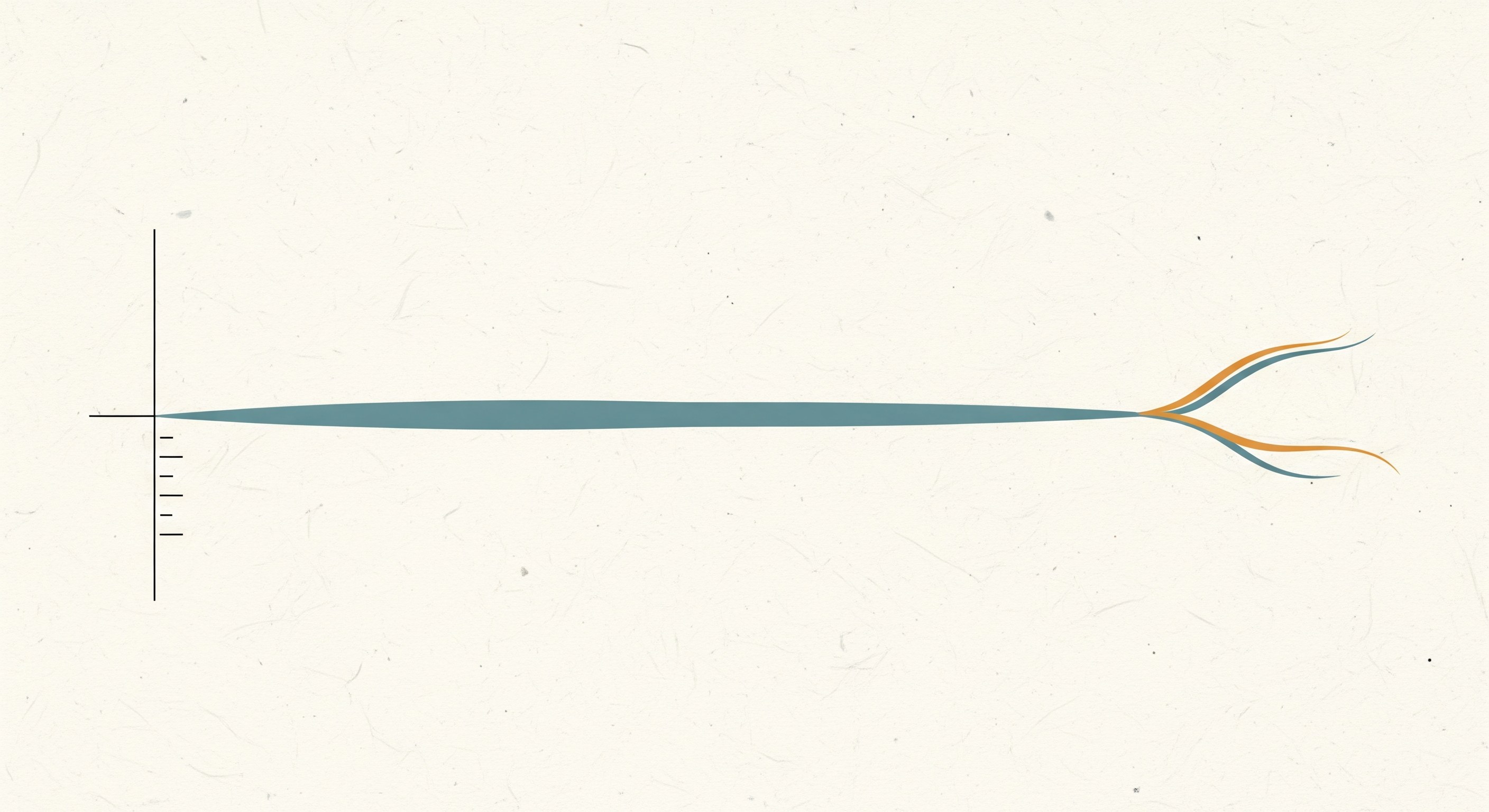
결국 카지는 세 개의 다른 자 위에 놓였고, 그 자들이 서로 직각으로 어긋났다. 프로이트의 자는 자기에게 얼마나 돌아왔는가를 재고, 융의 자는 중심에 얼마나 도달했는가를 잰다. 그 두 자 위에서 카지는 원점 근처를 떠도는 점이다. 어디에도 안 닿았으니 미달이다. 그런데 이제마의 자는 다른 방향으로 뻗어 있다. 도착이 아니라 흐름의 지속을 잰다. 그 자 위에서 카지는 축을 따라 끝까지 간 점이다. 닿지 않기를 끝까지 했으니 완주다.
같은 사람인데 한쪽의 미달이 다른 쪽의 완주가 된다. 이건 한 자에 다른 자를 더해서 메울 수 있는 일이 아니다. 자들이 서로 수직이라 더해지지 않는다. 그래서 프로이트와 융으로 카지를 읽으면 늘 무언가가 안 잡힌 채로 남았던 것이다. 모자라서가 아니라, 그 자가 이 사람을 재는 자가 아니어서. 길이를 재는 자로 무게를 달려 한 것이어서.
두 사람이 틀린 건 아니다. 그들의 시계는 정확하다. 다만 그건 도착 시각을 재는 시계이고, 카지는 도착하지 않기로 한 사람이었다. 출발만 있고 도착이 없는 여정을 사는 사람에게, 도착 시각을 재는 시계는 영원히 멈춰 있는 것처럼 보인다. 시계가 고장 난 게 아니라, 다른 시간을 재는 시계였을 뿐이다.
밭에 남은 수박은 그가 죽은 뒤에도 거기 있었다. 누가 물을 줬는지는 모른다. 어쩌면 아무도 안 줬을지도 모른다. 그래도 그는 심었다. 거둘 사람이 자기가 아니어도 좋다는 듯이. 자기가 그 자리에 없을 걸 알면서 흙을 만지던 그 손이, 이제 와 보니 이 남자의 전부였다. 무거워지지 않으려고 끝까지 가벼웠고, 가벼운 채로 흐르다가, 그 흐름을 남에게 건네고 사라진 손. 도착하지 않은 게 아니라, 도착이라는 게 없는 길을 끝까지 걸어간 손이었다.
— 최장혁 —
이 인물을 두 사람의 대화로 듣는다.
There is a kind of planting a man does knowing he will never eat the fruit. The old man who plants a roadside tree does it; so does the teacher who will never learn where the child he taught ends up, or as what. A hand that touches the soil knowing it will not be there at the harvest. Such a hand is a little strange. Why plant what you cannot reap.
Ryoji Kaji, of Evangelion, had a hand like that. In a time when the world had half collapsed and giant Angels were falling out of the sky, he grew watermelons in a corner of the base. Watering them, checking the leaves, cupping a fruit still no bigger than a fist in his palm. When someone asked why he bothered, he turned it aside with that particular smile of his. Somebody has to look after them. Even if I’m gone, someone will water them.
He was always like that. A joke in a serious moment, a loose open shirt in a dangerous place, a lightness with everyone. And yet beneath that lightness he was doing the most dangerous work of anyone — gathering the secrets of every side while belonging to none. Walking, without stopping, toward a knowledge he knew would get him killed. For a long time this man would not come clear for me. Was he light or was he deep. Was he running away or had he seen through it all. I pulled a few books off the shelf to look at him, and each book diagnosed him differently, and oddly, the diagnoses kept sliding off him.
What He Hid Inside the Joke — Freud
Freud would have looked at that smile first. He did not take a joke for mere humor. When a man laughs in the face of what he can hardly bear, that laugh, Freud said, is a shield the ego raises so as not to be crushed by the weight of reality. He liked to cite the rogue led to the gallows who, on a Monday morning, quips, “Well, the week’s beginning nicely.” The joke is not the absence of fear; it is the last dignity the ego musters so as not to be devoured by it. Freud did not belittle this. He saw it as almost heroic. What he did note was one thing: a man who laughs that way passes alongside his real feeling instead of meeting it head-on.
Kaji’s lightness reads the same way. Wrap a thing in a joke and you can let even a fair-sized truth slip out safely — for in jest, it is well known, one may even tell the truth. Freud called this a way of bypassing the censor. When Kaji, in that loose offhand manner, slid something heavy into Misato or into Shinji, the lightness was both a technique of delivery and a wrapping that kept him from being cut.
And his walk toward death. This Freud would have drawn from somewhere deeper. He held that there is in a person a force beyond the pleasure principle — a compulsion to return, without knowing it, to the painful place, the place where the end is fixed, and tread it again. Such a person seems possessed by a demon, or pursued by a malignant fate, but in truth he is the one composing that fate. The aim of all life is death — that bleak sentence of his. Kaji’s refusal to stop when he knew it would kill him becomes, in Freud’s hand, the march of an unconscious drawn toward death. And the decisive stroke: the unconscious does not believe in its own death. Because it knows no negation, a man behaves inwardly as if he will not die, and strides into danger.
A flawless diagnosis. Kaji really does look like a man avoiding something; he really does look like a man drawn to death. And yet, when you have read the whole diagnosis through, something stays uncaught.
A Light Mask, a Heavy Shadow — Jung
Open Jung and another angle opens. Jung called the face a man presents to the world the persona — a kind of mask, made as a compromise between the self and society. He did not take the wearing of a mask to be, in itself, a sickness. On the contrary, the man who lives without a persona is plagued by endless misunderstanding and social blunder; the mask, he said, is a tool one needs in order to live. The trouble begins when the ego mistakes itself for the mask. Believe that the role you play is who you are, and the real self is repressed and sinks into the unconscious. But a man who wears the mask consciously, keeping a distance between himself and the role, handles it safely as a means of relating to the world. Kaji is plainly the latter. He was, after all, a man who knew better than anyone that he was playing the philanderer.
Jung’s real blade comes next. Extremes, he said, always arouse the suspicion of their opposite. We usually imagine a dark instinct hiding behind a spotless mask; but Jung held the reverse to be just as common. A man who deliberately wears a frivolous, careless mask — a philanderer, a joker — is often only striking a pose of wickedness, and behind it the serious, the moral side has sunk into the unconscious instead. The lighter the mask plays, the heavier the shadow grows. That behind Kaji’s looseness hid a heavy face — one that chased the truth and cared for people more earnestly than anyone — fits Jung’s scheme exactly.
But Jung has a place one must reach. His whole journey is the gathering of a scattered self toward a center. To strip off the mask, to face the shadow, to unite conscious and unconscious and arrive at the true self — that arrival Jung called individuation. Lay this measure against Kaji and the result is fixed in advance. Kaji settled in no seat, and died without ever taking off the mask. So in Jung’s scheme he becomes a man who failed to reach himself, an unfinished thing, a man who never integrated.
Here I hesitate. Nothing in Jung is wrong. Kaji truly arrived nowhere. But whether his not-arriving was a failure to arrive or a refusal to arrive — that, Jung’s map cannot tell apart. For in Jung there is no path drawn on which not-arriving could itself be a completion.
No Seat Could Hold Him Whole — Yi Je-ma
Setting the two diagnoses side by side, I saw what they shared. Both Freud and Jung were waiting for Kaji to arrive somewhere. Freud’s ego must return to itself and preserve itself; Jung’s journey ends only when the scattered pieces gather to a center. Both men’s clocks measure the hour of arrival. So Kaji, who did not arrive, looks late from either side. Either he was avoiding, or he was unfinished.
But what if Kaji’s lightness were not avoidance but something else. Carrying that suspicion, I opened Yi Je-ma’s (이제마, the nineteenth-century physician-thinker) Gyeokchigo (格致藁).
Yi Je-ma wrote that a person is fine alone, but the moment he stands in a place where he collides with another, he is pushed, without knowing it, into one role or the other. When a strong man comes near, toward taking; when a weak one comes, toward pressing down. The place itself, he says, assigns a man his part. Most cannot refuse the part. To refuse it you must keep your feet from sinking deep into any place — and that is a lonely, precarious thing.
What Kaji did was exactly that refusal. He was the government’s man and not the government’s man; NERV’s man and not NERV’s man. No seat held him whole. Yi Je-ma would have likened this to Yu Ha-hye (柳下惠, an ancient exemplar of integrity amid a corrupt court). A man standing in the very middle of where ten thousand cunnings contend, and not swept into the current. Yi Je-ma set down the secret of it in a single line: 其志强而弱 — hold the will strong, keep the self weak. Grip the force, and do not get drunk on it. Kaji’s looseness, his jokes, that lightness that lays weight nowhere — perhaps these were another name for that weakness. The moment you grow heavy you are bound to a place. You have to be light to stay afloat. The lightness Freud called avoidance, Yi Je-ma reads as a tension drawn taut so as not to be swept away. The same lightness — flight on one side, discipline on the other.
About here Zhuangzi comes to mind. In Zhuangzi too there is a man like this. An old counselor advises one who must attend a dangerous prince at his side: let the body go along with him but not be drawn in; let the mind blend with him but not show. The way of being inside without hardening. That Kaji did not flee to the mountains but kept his feet in the very thick of the mud and still did not harden — this overlaps with the old man’s words. Only, Zhuangzi’s man does so to preserve his own body. He refuses to be drawn in so as to survive the dangerous place. Kaji goes one step further. He does not survive. Un-drawn-in to the end, he nonetheless dies.
And just before dying, he opened the surface. He did not dump on them the answer he held; he set Misato and Shinji where they would find the answer themselves. To Misato he left the task of chasing the truth on her own; to Shinji, the word to do it because he himself wished to, not because anyone ordered it. This is the very place where Yi Je-ma defined love: 愛人而成立之也 — to love a person is to love him so that he stands on his own. Not to keep him at your side by tending him, but to make him stand even when you are gone. The same hand that plants a watermelon. I may not eat the fruit, but someone will; I may not give the water, but someone will.
One more thing must be marked here. Then was Kaji a man who completed everything? Yi Je-ma would not say so. The turning-back he wrote of — that half-beat of turning to oneself just before the wish to deceive crosses into act — is no terminus you reach once and have done with. It is a losing and recovering, endlessly repeated. Yi Je-ma himself, at fifty-seven, wrote that he had still not shed the wish to deceive. So Kaji did not complete something inside himself and die. Completion is not the kind of thing that ends inside one person to begin with. Only — he did not harden to the end, and he did not lock that un-hardening inside himself but let it flow out to others. The turning-back he never finished in himself, he left as an opening through which Misato and Shinji might begin it anew, each in his own place.
A Clock That Knows No Arrival
In the end Kaji was laid against three different measures, and the measures crossed one another at right angles. Freud’s measures how far one has returned to oneself; Jung’s, how far one has reached the center. On those two, Kaji is a point drifting near the origin. He touched nothing, so he falls short. But Yi Je-ma’s measure runs in another direction. It gauges not arrival but the duration of the flow. On that one, Kaji is a point that went all the way along the axis. He held to not-arriving to the end, so he ran the full course.
The same man — and one measure’s shortfall is the other’s full run. This is not a thing you can patch by adding one ruler to another. The rulers are perpendicular; they do not sum. That is why reading Kaji through Freud and Jung always left something uncaught. Not because he was lacking, but because that ruler was not the one that measures this man. A ruler for length, brought to weigh.
The two were not wrong. Their clocks are accurate. Only, they are clocks that tell the hour of arrival, and Kaji was a man who chose not to arrive. To a man living a journey of departure without arrival, a clock that tells the hour of arrival looks forever stopped. The clock is not broken; it was only a clock that measures a different time.
The watermelons left in the field were still there after he died. Who watered them, no one knows. Maybe no one did. Still, he planted them. As if it were fine that the one who reaped would not be him. That hand, touching the soil knowing it would not be there, turns out, looking back, to have been the whole of this man. Light to the end so as not to grow heavy, flowing while light, and handing the flow to others before he vanished. Not a hand that failed to arrive, but a hand that walked, all the way, a road on which there is no such thing as arrival.