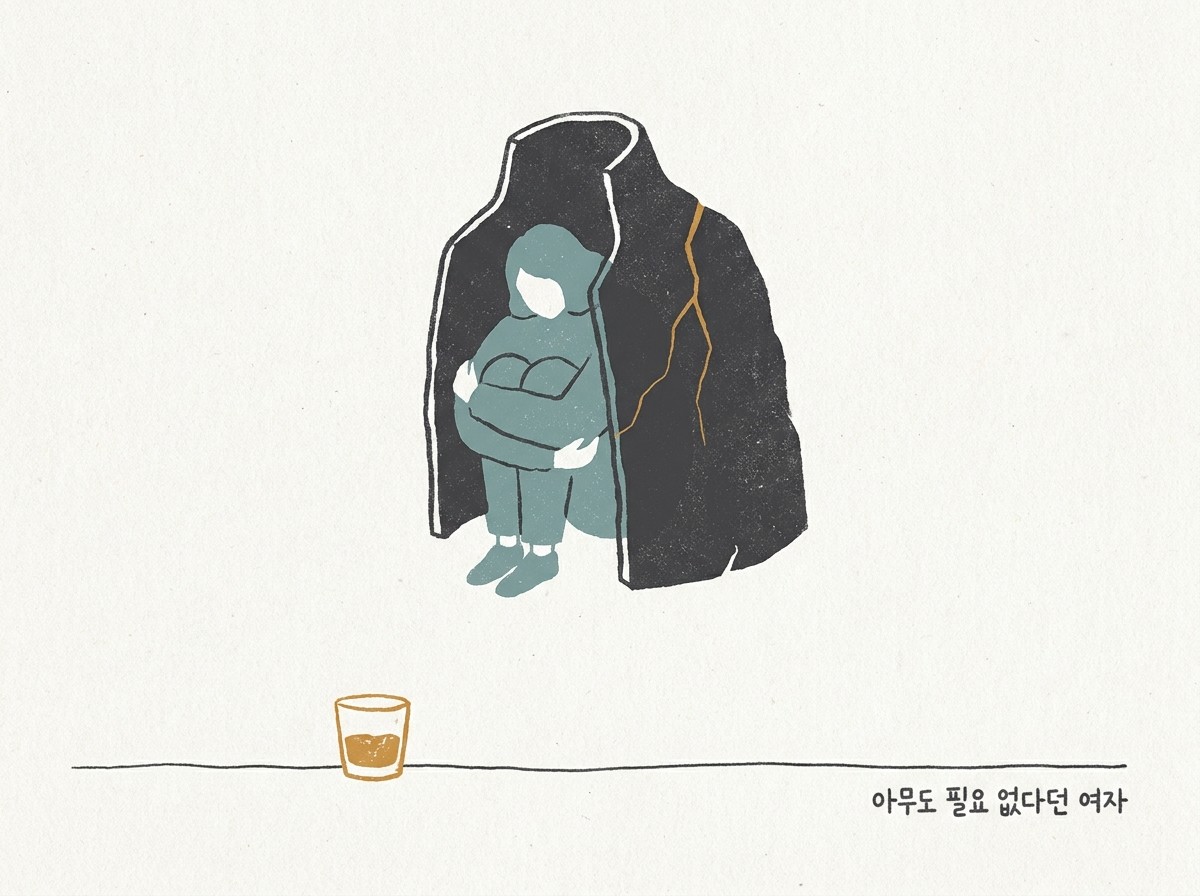
“필요 없어"라는 말을 자주 하는 사람이 있다. 도와주려 하면 됐다 하고, 걱정해주면 오지랖이라 하고, 누가 다가오면 한 발 물러선다. 곁에서 보면 단단하다. 누구에게도 기대지 않고 혼자 서 있는 사람. 그런데 그 말을 오래 듣다 보면 이상한 걸 알게 된다. “필요 없어"가 가장 큰 소리로 나오는 순간은 늘 누가 가까이 왔을 때라는 것. 정말 아무도 필요 없는 사람은 그 말을 할 이유가 없다. 필요 없다고 거듭 말해야 하는 건, 실은 필요했기 때문이다.
소류 아스카 랑그레이는 그 말을 가장 크게 외친 아이다. 자신만만하고, 누구보다 앞서려 하고, 약한 모습을 죽기보다 싫어하는. 그런 아스카에게는 한 장면이 있다. 어린 시절, 어머니가 마음을 잃고 병상에 누웠을 때, 그 어머니는 곁에 있는 진짜 딸 대신 봉제인형 하나를 딸로 알고 품에 안았다. 아스카가 아무리 “엄마, 나 여기 있어"라고 해도 어머니의 눈은 인형만을 보았다. 그리고 끝내 그 인형과 함께 스스로 목숨을 끊었다. 그 곁을, 아무에게도 안기지 못한 아이가 지키고 있었다. 그리고 그 자리에 아버지는 없었다. 어머니가 떠나기 전에도, 떠난 뒤에도. 안아줄 사람은 죽었고, 대신 안아줄 사람도 오지 않았다.
누구도 필요 없다는 갑옷 — 프로이트
어머니를 잃었는데, 아스카는 보내지 못했다. 보통의 상실에는 애도가 따라서, 더뎌도 떠난 이를 마음에서 거두고 다시 살아갈 자리로 돌아온다. 거두려면 받아줄 누군가가 있어야 한다. 우는 아이를 안아주는 품이 있어야 슬픔이 빠져나간다. 아스카에게는 그 품이 없었다. 어머니는 떠났고, 아버지는 곁에 없었다. 슬픔이 나갈 곳이 없으니, 그것은 안에 갇힌 채 다른 모양으로 굳는다.
프로이트라면 그 굳은 모양을 자기애라 불렀을 것이다. 그는 사랑이 본래 밖을 향한다고 했다 — 사람은 누군가를 사랑하고 누군가에게 사랑받으며 자기를 지탱한다. 사랑할 대상도 사랑해줄 대상도 사라지면, 그 사랑의 힘은 갈 곳을 잃고 자기 자신에게로 돌아온다. 프로이트는 이 상태에 물에 비친 제 얼굴과 사랑에 빠진 그리스 소년의 이름을 붙였다. 밖으로 향하던 사랑이 안으로 접혀 자기를 향하는 것. 아스카의 “아무도 필요 없어"가 바로 그 자리다. 누구도 필요 없다는 말은 강해서 나온 게 아니라, 사랑이 밖에서 거듭 거절당한 끝에 안으로 돌아서 버렸기 때문에 나온다.
문제는 그렇게 자기를 향한 사랑이 혼자서는 못 선다는 것이다. 프로이트는 사람의 자존감이 세 다리로 받쳐진다고 했다. 타고난 자기 사랑, 무언가를 해냈다는 성취감, 그리고 누군가에게 사랑받는 일. 아스카는 세 번째 다리가 처음부터 부러져 있다. 사랑받은 기억이 없으니, 남은 두 다리에 모든 무게를 싣는다. 그중에서도 성취 — 파일럿으로서 최고가 되는 것에 자기 전부를 건다. 최고가 되어야 한다는 그 맹렬함은 야망이 아니라 떠받침이다. 사랑받지 못한 빈자리를 잘해냈다는 증거로 메우려는 것. 그래서 아스카에게 일등은 자존심이 아니라 생존이다.
이 구조는 위태롭다. 한 다리에 전부를 실었으니, 그 다리가 흔들리면 전부가 무너진다. 더 잘하는 파일럿이 나타나고, 동기화율이 떨어지고, 끝내 에바가 더는 움직여주지 않을 때 — 아스카의 자존감은 받칠 데를 잃는다. 한 사도가 그녀의 마음속으로 직접 파고들어 갑옷이 줄곧 가려온 가장 깊은 자리를 헤집을 때, 그 떠받침은 한순간에 무너진다. 그리고 갑옷이 뚫린 자리에서 드러나는 건, 갑옷이 가리고 있던 처음의 그 아이다. 어머니가 끝내 안아주지 않았던, 자기를 안길 만한 아이가 아니라고 믿어버린 아이. 밖을 향했어야 할 원망이 갈 곳을 잃고 자기에게 돌아와, 끝내 자기를 부수는 방식으로 터진다.
싸워야 사는 아이 — 불교
아스카는 늘 싸우고 있다. 동료와, 적과, 자기보다 잘하는 누군가와, 그리고 자기 자신과. 가만히 있는 법이 없다. 누가 더 잘하면 분해서 견디지 못하고, 칭찬을 들으면 오히려 날을 세운다. 불교에는 이런 존재를 가리키는 자리가 하나 있다. 아수라.
아수라는 끝없이 싸우는 존재다. 경전 속에서 아수라들은 병장기를 갖추고 하늘 위 신들의 세계로 쳐들어간다. 힘은 신에 버금가는데, 그 힘으로 하는 일이 싸움이다. 한 아수라 왕은 허깨비 같은 환술로 상대를 위협하고 속이려 들지만, 그 환술의 끝에 기다리는 건 한량없는 세월의 고통뿐이다. 상대편 하늘의 왕은 그 싸움을 받지 않는다. 그런 속임수는 필요 없다며, 오히려 네 병이나 낫게 해주겠다고 비켜선다. 늘 위협하고 늘 으스대는 그 모습 안쪽이 실은 가장 불안하다는 것을, 싸우지 않는 쪽은 안다.
아수라에게는 한 가지 묘한 조건이 있다. 싸울 상대가 있어야 아수라라는 것이다. 아수라의 세계는 하늘과 맞붙어 있어 늘 전쟁 중이다. 싸움이 곧 그 존재의 살아 있는 방식이다. 상대가 없으면 아수라는 흐려진다. 아스카가 그렇다. 그녀는 부딪힐 누군가가 있을 때 가장 선명하게 살아난다. 경쟁할 상대, 이겨야 할 상대, 자기보다 약해 보여 견딜 수 없는 상대. 그 상대 앞에서 아스카는 가장 그녀다워진다. 싸움이 그녀를 세운다.
불교라면 여기서 한 가지를 더 짚을 것이다. 그렇게 싸우려면 싸울 ‘나’가 단단히 있어야 한다는 것. 이겨야 할 내가, 무시당해선 안 될 내가 먼저 굳게 서 있어야 싸움이 성립한다. 그 굳은 ‘나’를 놓아버리면 싸움도 함께 사라진다고 불교는 말한다. 다툴 내가 본래 없다면 미움도 겨룸도 어디서 생기겠느냐고. 그러나 아스카에게 그 길은 보이지 않는다. 싸움을 놓는 건 그녀에게 지는 것이고, 지는 건 사라지는 것이니까. 싸워야 사는 아이에게, 싸움을 그만두라는 말은 죽으라는 말과 같다.
부딪쳐 같이 굳은 두 아이 — 이제마
이 아이 앞에서 이제마를 떠올린다. 그는 사람이 제 몸으로 제 자리를 세운다고 적었다 — 我身立局. 내가 서면서 내 자리가 생기고, 그 자리가 다시 내가 무엇을 할 수 있는지를 정한다(局命我能). 어머니가 없고 아버지가 없는 자리에 선 아이가 할 수 있는 일은 많지 않다. 혼자 강해지는 것. 그 자리가 아스카에게 그 길을 명했다. 약해지면 안 되고, 기대면 안 되고, 무엇이든 혼자 해내야 한다. 자기애라는 갑옷은 아스카가 모질어서 두른 게 아니라, 그 자리에 선 아이가 살아남으려면 두를 수밖에 없던 것이다.
이제마는 그 한 방향으로만 굳는 마음을 두고 이렇게 적었다.
太陽之人雖好爲雄亦或宜雌 若全好爲雄則放縱之心必過也
우두머리가 되기를 좋아하는 사람도 때로는 낮은 자리가 마땅한데, 오로지 우두머리만 되려 하면 방종한 마음이 반드시 지나치게 된다는 것이다. 마음은 본래 두 방향으로 열려 있어야 흐른다. 강해질 줄도 약해질 줄도 알아야, 세울 줄도 기댈 줄도 알아야 흐른다. 한 방향을 완전히 닫아버리면, 흐르던 것이 그 방향으로 굳는다. 아스카는 강함이라는 한 방향만 남기고 나머지를 닫았다. 약함으로는 한 발도 가지 않겠다고. 그 닫음이 아스카를 한 덩어리로 굳혔다.
그렇게 굳은 아이가, 똑같이 굳은 또 한 아이와 만난다. 신지. 둘은 닮은 데가 있다. 신지도 어머니를 잃었고, 아버지에게 떠맡겨지듯 버려졌다. 엄마가 없고 아빠가 곁에 없는 아이라는 점에서 둘은 같은 자리에서 출발한다. 그 같은 상처를 두 아이는 정반대로 막는다. 신지는 안으로 움츠려 자기를 닫는다. 누가 다가오면 도망치고, 상처받느니 아무것도 하지 않으려 한다. 아스카는 반대로 밖으로 자기를 세운다. 약해 보이느니 누구보다 강한 척하고, 다가오는 손을 먼저 쳐낸다. 한쪽은 웅크려 닫고, 한쪽은 곧추세워 닫는다. 닫는 방향만 다를 뿐, 둘 다 살갗을 굳게 닫은 아이들이다.
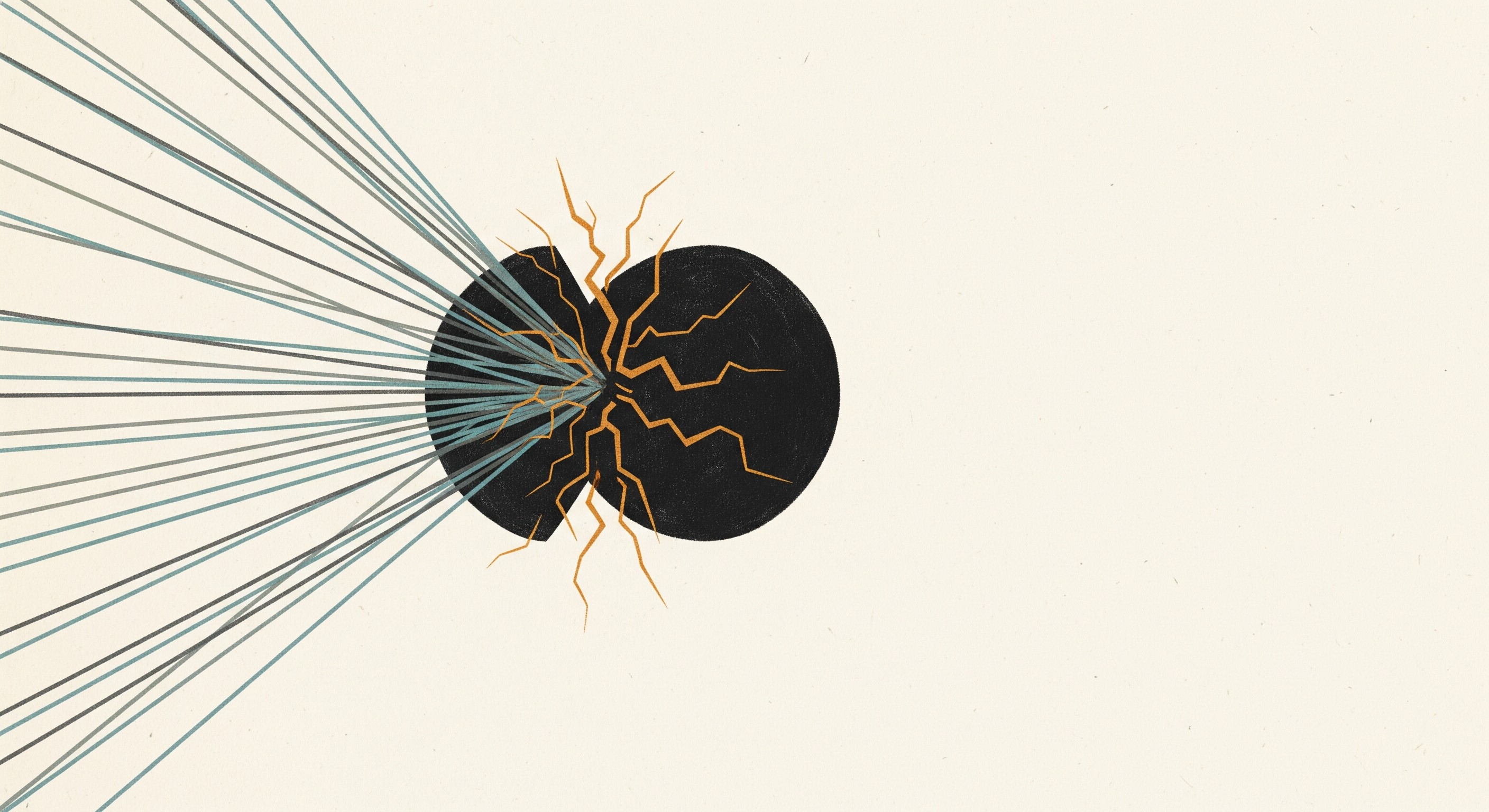
그래서 둘이 부딪히면 불꽃이 튄다. 신지의 움츠림은, 아스카가 죽을힘을 다해 눌러둔 그 약함을 눈앞에 그대로 펼쳐 보인다. 자기가 가장 부끄러워하는 모습을 신지가 아무렇지 않게 드러내고 있으니, 아스카는 그를 견딜 수 없다. “왜 저렇게 약해빠졌어"라는 말은, 실은 자기 안의 약함을 향한 말이다. 신지를 몰아세울수록 신지는 더 움츠러들고, 그 움츠림은 다시 아스카를 자극한다. 두 아이는 서로를 비추는 거울이 되어, 부딪힐수록 서로를 더 단단하게 굳혀간다. 싸울 상대가 있어야 아수라이듯, 아스카도 신지라는 상대 앞에서 가장 선명하게 타오른다. 그리고 가장 선명하게 타오르는 그 자리가, 끝내 그녀가 부서지는 자리가 된다.
물러설 줄 몰랐던 아이
아스카의 끝은 무참하다. 갑옷이 뚫린 뒤 그녀는 한동안 아무것도 하지 못하는 폐인이 된다. 마지막에 잠깐 다시 일어나 싸우지만, 그 싸움마저 처참하게 끝난다. 그녀는 끝까지 누군가의 손길을 “기분 나빠"라며 밀어낸 채 닫힌다. 풀림은 오지 않는다.
이 끝을 두고 아스카가 못나서, 성격이 나빠서 그렇게 됐다고 읽고 싶어진다. 그러나 이제마라면 그렇게 읽지 않을 것이다. 그에게 한 방향으로 굳은 마음은 죄가 아니라 진단이다. 같은 물이 어디에 고이느냐에 따라 샘이 되고 강이 되고 바다가 되듯, 마음도 어느 자리에 굳느냐가 다를 뿐 처음부터 나쁜 종자가 따로 있는 게 아니라고 그는 보았다. 아스카의 자기애도, 그 끝없는 싸움도, 타고난 악이 아니라 어머니가 없고 아버지가 없는 자리에 선 아이가 살아남으려고 굳은 자국이다. 그 자리에서라면 누구라도 그렇게 굳었을지 모른다. 아스카를 못된 아이로 못박으면, 그 굳음이 어떻게 빚어졌는지는 영영 보이지 않는다.
이제마는 굳음에서 빠져나오는 길을 하나 적어두었다. 거창한 게 아니다. 마음이 한 방향으로 굳으려는 그 순간, 굳기 직전에 슬쩍 다른 데로 빠져 제자리로 돌아오는 것. 그는 쉰일곱이 되도록 자기 안에서 굳으려는 마음이 매번 솟았다고 고백하면서, 그때마다 부득이 제자리로 돌아왔다고 했다. 한 번에 풀리지도, 끝내 도달하지도 않는다. 거듭 굳고 거듭 돌아오는, 끝점 없는 되풀이. 아스카에게 없던 건 그 돌아옴이다. 그녀는 강함이라는 한 방향으로 직진하기만 했지, 한 번도 돌아 나오지 못했다. 약함 쪽으로 반 발짝만 물러설 줄 알았다면, 누군가의 손을 한 번만 잡을 줄 알았다면 달랐을 것이다. 그러나 싸워야 사는 아이에게 물러섬은 곧 패배였고, 패배는 곧 사라짐이었다. 그래서 그녀는 돌아오는 대신 부딪혔고, 부딪혀 깨졌다.
이런 굳음을 나는 다른 이야기에서도 본 적이 있다. 아내를 잃은 자리에 자기를 통째로 내려놓고 한 발도 옮기지 못한 한 남자. 그는 놓지 못해 안으로 굳었고, 그녀는 놓지 못해 밖으로 부딪혔다. 한쪽은 닫혀서 돌이 되고, 한쪽은 부딪혀서 깨졌다. 굳는 쪽과 깨지는 쪽으로 길이 갈렸을 뿐, 두 아이 모두 끝내 그 돌아 나오는 한 발을 떼지 못했다.
다시 처음의 그 말이 떠오른다. “필요 없어.” 이제 그 말이 어떻게 들리는지 안다. 그건 아무도 필요 없는 사람의 말이 아니라, 필요했는데 끝내 받지 못한 사람의 말이다. 가장 크게 “필요 없어"라고 외치는 아이일수록, 실은 누가 한 번만 제대로 안아주기를 가장 오래 기다린 아이인지도 모른다. 어머니가 인형을 안고 있던 그 병실에서 “엄마, 나 여기 있어"라고 부르던 그 목소리가, 끝까지 그 한마디 안에 들어 있었다.
— 최장혁 —
이 인물을 두 사람의 대화로 듣는다.
There is a kind of person who says “I don’t need anyone” often. Offer to help and they say it’s fine; show concern and they call it meddling; come close and they take a step back. From the outside they look solid—standing alone, leaning on no one. But listen to that line long enough and you notice something strange. The moment “I don’t need anyone” comes out loudest is always the moment someone has come near. A person who truly needs no one has no reason to say so. To have to say it, over and over, is because one needed.
Asuka Langley Soryu is the child who cried that line loudest. Self-assured, always out ahead of the others, hating weakness in herself more than death itself. For her there is one scene. When she was small and her mother, having lost her mind, lay in a hospital bed, that mother held to her breast a stuffed doll she took for her daughter, in place of the real daughter beside her. However the child said “Mama, I’m here,” the mother’s eyes saw only the doll. And in the end the mother took her own life, together with that doll. Keeping watch at her side was a child no one had held. And in that place there was no father. Not before the mother left, not after. The one who would have held her was dead, and the one who might have held her in her place never came.
The Armor of Needing No One — Freud
Asuka lost her mother, and could not let her go. Ordinary loss is followed by mourning, so that however slowly, one draws the departed back out of the heart and returns to the place of the living. But to draw back, there has to be someone to receive it. A crying child needs arms to be held in for the grief to drain away. Asuka had no such arms. The mother was gone, the father absent. With nowhere to leave, the grief stays shut inside and hardens into another shape.
Freud would have called that hardened shape narcissism. Love, he said, is by nature turned outward—a person sustains himself by loving someone and being loved by someone. When both the one to love and the one to be loved by disappear, that force of love loses its destination and turns back upon the self. Freud gave this condition the name of the Greek youth who fell in love with his own reflection in the water. Love that had faced outward folds inward and faces the self. Asuka’s “I don’t need anyone” is precisely that place. To need no one is not said out of strength; it is said because love, refused again and again on the outside, has at last turned in.
The trouble is that love turned upon the self cannot stand on its own. Freud said a person’s self-regard rests on three legs: one’s inborn self-love, the sense of having achieved something, and being loved by another. In Asuka the third leg is broken from the start. With no memory of being loved, she loads all her weight onto the other two—above all onto achievement, staking her whole self on being the best as a pilot. That ferocity about being the best is not ambition but a prop. She is trying to fill the empty place of not being loved with proof of having done well. For Asuka, first place is not pride; it is survival.
This structure is precarious. Having loaded everything onto one leg, when that leg shakes, everything collapses. When a better pilot appears, when her synchronization rate falls, when at last the Eva will no longer move for her—Asuka’s self-regard loses what held it up. When an Angel pushes directly into her mind and digs at the deepest place the armor had always covered, the prop gives way in an instant. And what shows through the breach in the armor is the child the armor had been hiding all along. The child the mother never held in the end, who came to believe she was not a child worth holding. The resentment that should have faced outward, having nowhere to go, turns back on the self, and breaks out at last in the form of breaking herself.
The Child Who Lives by Fighting — Buddhism
Asuka is always fighting. With her comrades, with the enemy, with anyone who does better than she does, and with herself. She is never still. When someone does better she cannot bear it; praise her and she bares her teeth. Buddhism has a place for a being like this. The asura (阿修羅, a-su-ra, a warring spirit).
The asura is a being that fights without end. In the sūtras the asuras take up arms and storm the world of the gods above. Their strength rivals the gods’, and what they do with that strength is fight. One asura king tries to threaten and deceive his opponent with phantom illusions, but at the end of those illusions waits only suffering through measureless ages. The king on the other side, in heaven, does not take up the fight. He has no need of such trickery, he says, and steps aside—offering instead to cure the other’s sickness. One side cannot stop fighting; the other never steps onto the field at all. The side that does not fight knows that what is innermost in all that threatening and swaggering is in fact the most afraid.
The asura has one curious condition: it must have an opponent to be an asura. The asura’s world borders heaven and is forever at war. Fighting is its very way of being alive. With no opponent, the asura grows faint. Asuka is just so. She comes alive most vividly when there is someone to collide with. Someone to compete with, someone to defeat, someone too weak-seeming to bear. Before that someone, Asuka becomes most herself. Fighting sets her up.
Here Buddhism would point to one thing more. To fight like that, there has to be a firm “I” to do the fighting. An “I” that must win, an “I” that must not be slighted, has to stand first, solid, for the fight to hold. Let that hardened “I” go, Buddhism says, and the fighting goes with it. If there were no “I” to quarrel over to begin with, where would hatred or contest arise. But to Asuka that road is invisible. To set down the fight is, for her, to lose, and to lose is to vanish. To a child who lives by fighting, being told to stop fighting is the same as being told to die.
Two Children Who Hardened Against Each Other — Yi Je-ma
Before this child I think of Yi Je-ma (이제마). A person sets up his own place with his own body, he wrote—我身立局, a-sin-rip-guk, my body sets up its configuration (局, guk, the shape into which a single person has settled). I stand, and my place comes into being, and that place in turn settles what I am able to do (局命我能, guk-myeong a-neung). A child who stands in a place with no mother and no father has few things she can do. To grow strong alone. That place commanded Asuka onto that road. She must not weaken, must not lean, must do everything by herself. The armor of narcissism was not something Asuka put on out of hardness; it was what a child standing in that place had to put on to survive.
Of that mind that hardens in one direction only, Yi Je-ma wrote this:
太陽之人雖好爲雄亦或宜雌 若全好爲雄則放縱之心必過也
A person who loves to be the dominant one still ought, at times, to take the lower place; if he loves only to dominate, the unbridled mind will surely run to excess. A mind, by nature, must be open in two directions to flow. It must know how to grow strong and how to grow soft, how to set itself up and how to lean. Close one direction off entirely, and what had been flowing hardens in that direction. Asuka left only the one direction, strength, and closed the rest. She would not go a single step toward weakness. That closing hardened Asuka into one mass.
And that hardened child meets another child hardened just the same. Shinji. The two have something alike in them. Shinji too lost his mother, and was left, all but abandoned, to his father. In being children with no mother and no father near, the two start from the same place. That same wound, the two block in opposite ways. Shinji shrinks inward and closes himself. When someone comes near he runs; rather than be hurt, he would do nothing at all. Asuka, the reverse, sets herself up outward. Rather than seem weak she acts stronger than anyone, and strikes away the approaching hand first. One crouches and closes, the other stands bolt upright and closes. Only the direction of the closing differs; both are children who have shut their skin tight.
So when the two collide, sparks fly. Shinji’s shrinking lays out before her eyes the very weakness Asuka has pressed down with all her strength. The thing she is most ashamed of, Shinji is showing without shame, and she cannot bear him. “Why are you so spineless”—that line is in truth aimed at the weakness inside herself. The harder she drives Shinji, the more he shrinks, and that shrinking goads her again. The two children become mirrors of each other, and the more they collide, the harder each makes the other. As the asura must have an opponent to be an asura, so Asuka burns most vividly before the opponent that is Shinji. And the very place where she burns most vividly becomes, in the end, the place where she breaks.
The Child Who Could Not Step Back
Asuka’s end is merciless. After the armor is breached she becomes, for a time, an invalid who can do nothing. At the last she rises once more to fight, and even that fight ends in ruin. To the end she stays closed, pushing away another’s touch with the words “how disgusting.” No release comes.
One wants to read this end as Asuka being punished for being bad, for her nasty temper. But Yi Je-ma would not read it so. To him, a mind hardened in one direction is not a sin but a diagnosis. As the same water becomes a spring or a river or a sea according to where it pools, so the mind differs only in where it hardens; there is no bad seed set apart from the beginning. Asuka’s narcissism, and her endless fighting, are not inborn evil but the marks where a child standing in a place with no mother and no father hardened in order to survive. In that place, anyone might have hardened so. Nail Asuka down as a nasty child, and how that hardening was formed becomes forever invisible.
Yi Je-ma set down one road out of the hardening. Nothing grand. In the very instant the mind starts to harden in one direction, just before it hardens, to slip off elsewhere and come back to one’s place. He confessed that even at fifty-seven the mind that would harden rose in him every time, and that each time he was obliged to crawl back to his place. It neither releases at one stroke nor ever arrives. A repetition without end point: hardening again, returning again. What Asuka lacked was exactly that returning. She only drove straight ahead in the one direction of strength, and not once turned back out. Had she known how to step back half a pace toward weakness, had she known how to take someone’s hand even once, it might have gone differently. But to a child who lives by fighting, stepping back was defeat, and defeat was vanishing. So instead of returning she collided, and colliding, broke.
I have seen this hardening in another story too. A man who set himself down entire on the spot where he lost his wife and could not move a step. He hardened inward because he could not let go; she collided outward because she could not let go. One closed and turned to stone; the other collided and broke. The roads parted only into hardening and breaking; both children, in the end, could not lift that one foot that turns back out.
The line from the beginning returns. “I don’t need anyone.” Now I know how it sounds. It is not the line of someone who needs no one, but of someone who needed and in the end did not receive. The louder a child cries “I don’t need anyone,” the longer, perhaps, that child has waited for someone to hold her, just once, properly. In that hospital room where the mother held the doll, the voice calling “Mama, I’m here” was there, to the very end, inside that one line.