밤 지하철에서 가끔 그런 순간이 있다. 창밖이 캄캄해서 유리가 거울이 되는 순간. 맞은편 사람을 멍하니 보다가, 그 옆 유리에 비친 누군가의 굽은 어깨와 처진 입매를 잠깐 본다. 별로다, 하고 생각한다. 어딘가 틀어졌고 어딘가 모자란 얼굴이다. 그게 나라는 걸 알아채는 데 반 박자가 걸린다. 알아채고 나면 대개 표정이 풀린다. 아, 나구나. 그 반 박자 사이에 우리는 작은 일을 한 번 한다. 유리 속 남을 다시 나로 받아들이고, 굽은 어깨에 사정을 붙여주고, 처진 입매를 봐주는 일. 별것 아니다. 매일 수십 번 일어나고 매번 무사히 지나간다.
리처드 글로스터는 그 반 박자를 끝내 치르지 못한 남자다.
연극은 그가 혼자 무대에 서서 제 몸을 뜯어보는 데서 시작한다. 사랑받을 균형을 빼앗겼고, 자연에게 사기당했고, 채 완성되기도 전에 절뚝거리며 세상에 떠밀려 나왔다고. 개들도 제가 지나가면 짖는다고. 한참을 그렇게 깎아내린 뒤 그는 결론을 내린다. 연인이 될 수 없으니 악당이 되기로 했다고.
I am determined to prove a villain.
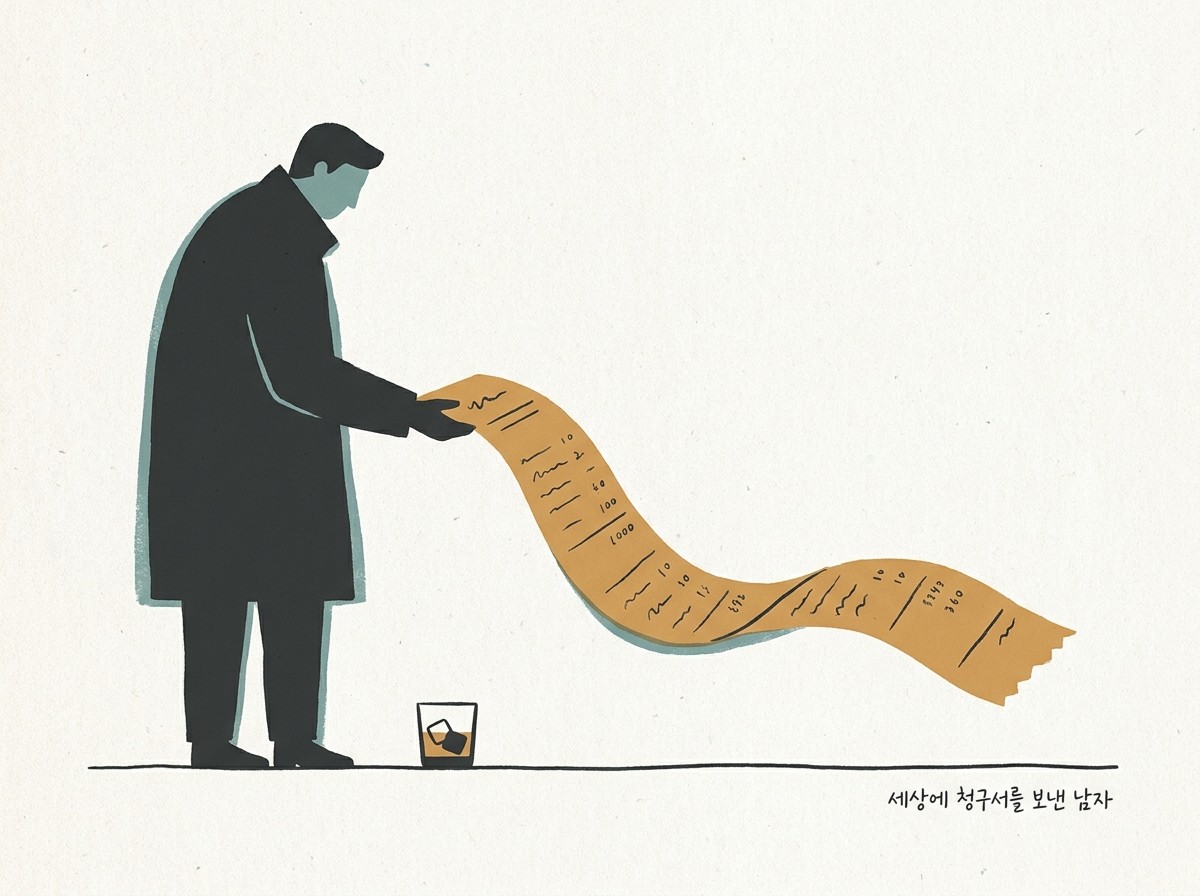
발행된 청구서 — 프로이트
이 독백에서 그가 설득하는 상대는 객석이 아니라 자기 자신이다. 굽은 등은 사실이다—그의 몸은 실제로 그를 사랑의 바깥으로 밀어냈다. 그런데 그는 그 사실에서 한 칸을 더 간다. 부당하게 당했으니 나도 부당하게 갚아도 된다고.
I may do wrong myself, since wrong has been done to me.
손상이 권리를 발행한 것이다. 자연이 내게 빚을 졌으니 나는 받아낼 자격이 있다—이 한 줄을 그는 청구서의 첫 장으로 삼는다. 어린 시절 입은 상처를 부당한 특권의 증서로 바꾸는 이런 사람을 두고 프로이트는 ‘예외자’라 불렀고, 그 원형으로 다름 아닌 리처드를 들었다. 다만 프로이트가 굳이 짚지 않은 게 하나 있다. 박대당한 게 먼저가 아니라, 박대당했다고 적어두기로 한 게 먼저라는 것.
그가 받은 건 굽은 등만이 아니었다. 같은 몸에 비상하게 빠른 머리가 함께 왔다—말 한마디로 적의를 욕망으로 돌려세우고, 판을 미리 읽고, 거리낌 없이 손을 쓰는 머리. 약점과 재능이 한자리에서 났다. 원래 그렇다. 사람은 누구나 어딘가로 기운 채 태어나고, 성한 쪽과 약한 쪽은 같은 기울기의 앞뒤다. 가난하게, 작게, 둔하게, 못나게—기우는 방향이 다를 뿐, 수평인 사람은 없다. 그러니 리처드를 특별하게 만든 건 그가 무엇을 받았느냐가 아니다. 받은 걸 어떻게 했느냐다.
그늘이 된 자아 — 융
받은 머리로 그가 한 일을 보려면 앤을 보면 된다. 자기가 죽인 시아버지의 관 앞에서, 남편마저 제 손에 잃은 그 미망인에게 그는 구애한다. 칼을 제 가슴에 들이대며 죽이라 무릎 꿇고, 증오를 한순간에 욕망으로 돌려세운다. 그러고는 그녀가 떠나자마자 혼잣말한다—이런 기분의 여자를 꾄 적이 있었나, 차지한 적이 있었나, 갖겠지만 오래 두지는 않겠다고. 무릎 꿇은 그 절절함과 돌아서는 그 서늘함 사이에 아무것도 없다. 혀는 그토록 날카로운데 그 안쪽 감정의 자리는 비어 있다. 한쪽을 그렇게까지 벼리면 정반대 쪽은 미발달인 채 그늘에 남고, 그 그늘을 끝내 제 것으로 품지 못한 자는 스스로 그 그늘이 되어버린다고 융은 적었다. 형제를, 조카를, 동지를 차례로 치우며 왕좌로 올라갈수록 리처드는 점점 혼자가 되고 점점 커지고 점점 멀어진다. 마지막 전장에서 그를 둘러싼 건 적이 아니라 그가 비워낸 자리다.
운명이 아니라 비탈 — 이제마
그런데 굽은 등을 가진 사람이 다 리처드가 되지는 않는다. 같은 손상을 안고도 청구서를 쓰지 않은 사람이 얼마든지 있다. 그러니 그 등은 그를 악당으로 만든 원인이 아니다. 기운 채 태어나는 건 운명이지만, 기운 데서 무엇이 되는가는 운명이 아니다—이제마가 평생 들여다본 게 그 갈림이었다. 그는 사람마다 타고난 치우침을 정해진 판결이 아니라 비탈로 봤다. 비탈은 한쪽으로 더 쉽게 미끄러질 뿐, 어느 쪽으로도 걸을 수 있는 것이다.
리처드는 그 비탈을 매번 같은 쪽으로 걸었다. 앤에게서, 형 클래런스에게서, 탑에 갇힌 두 조카에게서, 어제의 동지 헤이스팅스에게서—매번 같은 한 줄이 작동한다. 당했으니 당연하다. 한 번 그렇게 걷고 두 번 그렇게 걸으면 발밑에 홈이 팬다. 세 번째부터는 그 홈이 발을 끌어당긴다. 청구서는 처음엔 그가 쓰는 것이었는데, 어느새 그를 쓰는 것이 된다. 흔히 이런 사람을 두고 모자라서 그렇다고 하지만 리처드는 정반대다. 둔했으면 한두 번 휘청이다 멈췄을 것이다. 그는 똑똑해서 매번 그 한 줄을 더 그럴듯하게 변론했고, 머리가 좋을수록 홈은 더 깊고 매끄럽게 팼다. 그를 끝까지 끌고 간 건 그의 모자람이 아니라 그의 명민함이었다.
홈이 아직 얕을 때, 빠져나올 반 박자가 매번 있었다. 당했다고 적기 직전에, 이건 내가 떼인 빚이 아니라 그냥 내가 받은 기울기다, 하고 돌아서는 반 박자. 유리 속 굽은 어깨를 다시 나로 받아들이는 그 짧은 일과 똑같은 동작이다. 이제마도 그걸 거창한 회개가 아니라 행동이 나가기 직전의 한 박자라고 적었다—도달할 데가 없어 매번 다시 처음으로 돌아오는, 끝나지 않는 일. 리처드에게도 그 반 박자는 매 장면 있었다. 그는 한 번도 그것을 치르지 않았다.
도는 바퀴와 굴대 — 불교
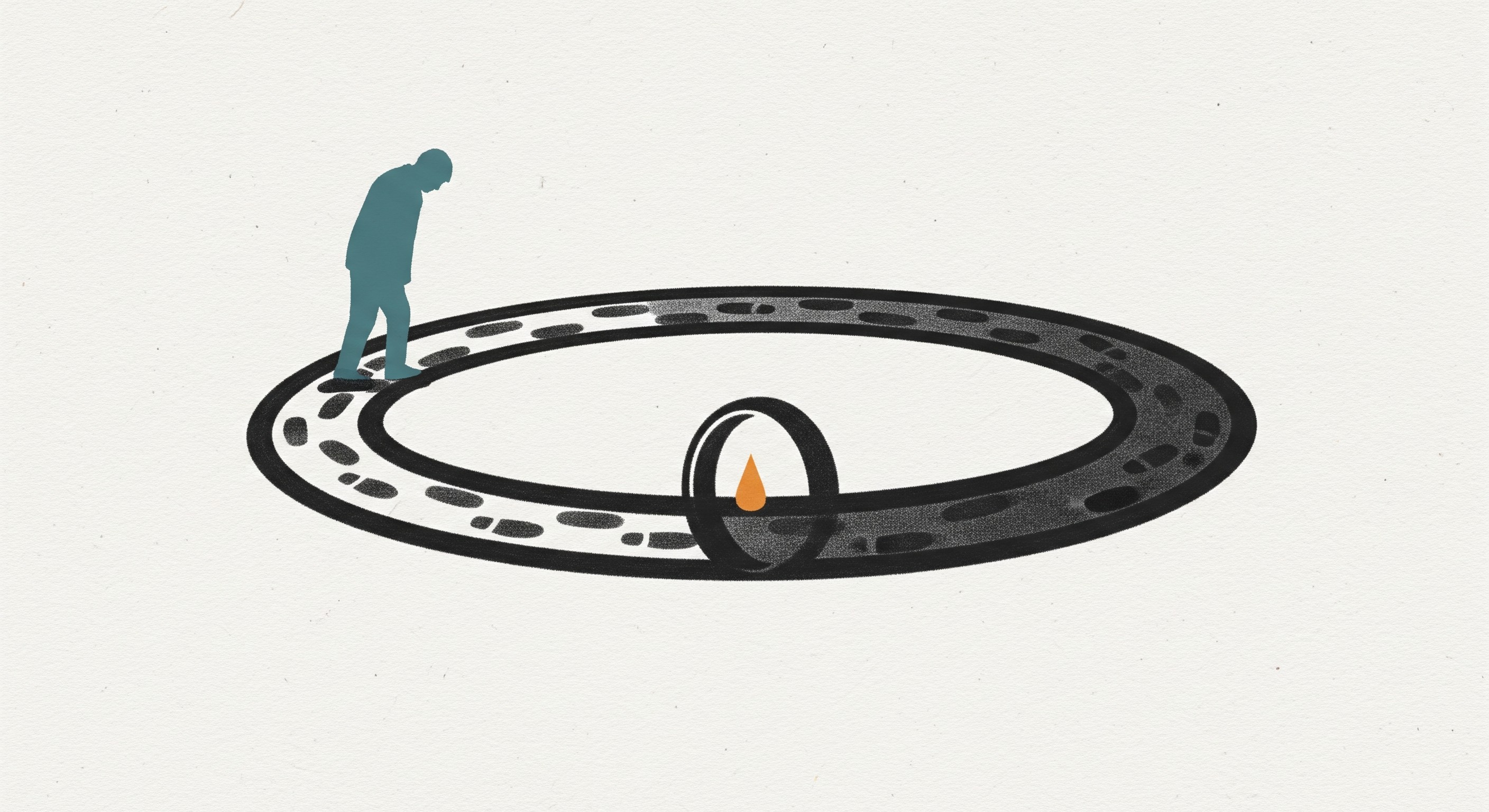
그가 멈추지 않은 만큼 살인은 빨라진다. 클래런스를 치우는 데는 그래도 망설임과 핑계가 있었는데, 탑 속 두 조카에 이르면 명령은 짧고 건조하다. 한 번 솟은 마음이 행동이 되고, 그 행동이 다시 마음을 적셔 다음 마음을 키우고, 키워진 마음이 또 행동이 되는—같은 바퀴가 점점 빠르게 돈다. 오래된 한 불교 가르침은 사람의 마음이 꼭 이렇게 돈다고 본다. 가라앉아 있던 씨앗이 솟아 행이 되고, 행이 다시 씨앗을 적셔 더 굳히고, 굳은 것이 쌓여 끝내 제 주인을 삼킨다고. 앞의 세 사람이 리처드의 한자리를 각각 다른 손끝으로 만졌다면, 이 가르침은 그 자리가 실은 하나의 도는 바퀴였다고 말한다.
그리고 바퀴에는 굴대가 있다. 씨앗이 “내가 당한 것"이라며 매달릴 한 점—“나"라는 굴대. 그 굴대가 박혀 있는 한 바퀴는 돈다. 이 가르침이 마지막에 가리키는 건 씨앗을 하나씩 뽑는 일이 아니라 그 굴대를 빼는 일이다. 매달릴 “나"가 본래 비어 있음을 보면 굳을 자리가 없어진다.
리처드가 그 굴대에 가장 가까이 간 건 마지막 밤이다. 죽인 자들의 환영이 줄지어 다녀간 보즈워스의 새벽, 그는 식은땀 속에서 깨어나 혼자 묻는다. 나는 누구를 두려워하나, 나 자신을? 여기엔 아무도 없는데. 그러고는 제 이름을 두 번 부른다.
Richard loves Richard; that is, I am I.
그런데 바로 다음 숨에 그 “나"가 갈라진다.
I am a villain: yet I lie. I am not.
나는 악당이다—아니, 거짓말이다, 나는 아니다. 평생 한 번도 흔들린 적 없던 굴대가 그 새벽 처음으로 어긋난다. 바퀴가 잠깐 선다. 그 틈으로 반 박자가 열린다.
그는 다시 박는다. 리처드는 리처드를 사랑한다고, 나는 나라고, 더 세게. 열렸던 문은 그렇게 그의 손안에서 닫힌다. 그리고 끝까지 움켜쥔 그 “나"를 한 아름 안은 채, 말을 다오, 말을, 내 왕국을 줄 테니 말을, 외치며 제가 비워낸 진공 속으로 달려 들어간다.
우리가 매일 치르는 반 박자
밤 전철에서 유리에 비친 내 굽은 어깨를 다시 본다. 반 박자 뒤, 나는 그 어깨를 봐준다. 그게 나라는 걸 받아들이고, 사정을 붙여주고, 표정을 푼다. 별것 아닌 일이다. 그런데 리처드를 한참 들여다보고 나면 그 반 박자가 더는 별것 아닌 일로 보이지 않는다. 받은 기울기를 “내가 당했다"로 적지 않고 그냥 내 것으로 한 번 받아들이는 그 짧은 일이, 어쩌면 우리가 매일 무심코 치르는 가장 작은 돌이킴인지도 모른다. 리처드가 끝내 치르지 않은 그 한 박자를, 우리는 하루에도 수십 번, 모르는 채로 치른다.
— 최장혁 —
이 인물을 두 사람의 대화로 듣는다.
On the late-night subway there is a certain moment. The window goes black, and the glass turns into a mirror. You are staring blankly at the person across from you when, in the pane beside them, you catch sight of someone’s slumped shoulder and downturned mouth. Not much to look at, you think. A face gone wrong somewhere, falling short somewhere. It takes half a beat to realize the someone is you. Once you do, your expression usually softens. Ah. It’s me. In that half a beat we do one small thing: we take the stranger in the glass back into ourselves, grant the slumped shoulder its reasons, forgive the downturned mouth. It is nothing. It happens dozens of times a day and passes, every time, without incident.
Richard of Gloucester is a man who never managed that half a beat.
The play opens with him alone on the stage, taking his own body apart. He was cheated of fair proportion, swindled by nature, sent into the world before he was finished, limping. Even dogs bark when he passes. After dismantling himself at length, he reaches his conclusion: since he cannot be a lover, he will be a villain. I am determined to prove a villain.
In this speech the one he is persuading is not the audience but himself. The crookedness is real—his body did in fact push him outside the reach of love. But from that fact he takes one step further: since wrong was done to me unjustly, I too may do wrong. I may do wrong myself, since wrong has been done to me. The injury has issued a right. Nature owes me a debt, so I am entitled to collect—this single line he keeps as the first page of his bill. A man who turns a childhood wound into a writ of unjust privilege is the kind Freud called one of “the exceptions,” and his prime example was Richard himself. Yet there is one thing Freud did not trouble to mark: the wrong did not come first. What came first was the decision to enter it in the ledger.
What he was given was not only the crooked back. The same body came with a startlingly quick mind—one that could turn a knife of hatred into desire with a sentence, read a room before it spoke, move its hand without flinching. Weakness and gift were born in the same place. It is always so. Everyone is born tilted some way, and the strong side and the weak side are the front and back of one tilt. Poor, small, slow, plain—the direction differs, but no one is born level. So what made Richard exceptional was not what he was given. It was what he did with it.
To see what he did with that mind, look at Anne. Over the coffin of the father-in-law he killed, to the widow whose husband he also killed by his own hand, he makes his suit. He kneels, presses the blade to his own chest, begs her to strike, and turns hatred into desire in a single stroke. And the moment she leaves, he muses to himself—was ever woman in this humour wooed, ever won; he will have her, but not keep her long. Between the kneeling ardour and the cold turning-away there is nothing. The tongue is that sharp, and the seat of feeling just behind it is empty. Hone one side that far and the opposite stays undeveloped, left in shadow; and the man who never takes that shadow in as his own, Jung wrote, ends by becoming the shadow itself. Clearing away a brother, a nephew, an ally one after another, Richard climbs toward the throne, and the higher he climbs the more alone he becomes, the larger, the further off. On the last field what surrounds him is not the enemy but the space he has emptied.
And yet a man with a crooked back does not necessarily become Richard. There are plenty who carried the same injury and never wrote the bill. So the back is not the cause that made him a villain. To be born tilted is fate; what one becomes from the tilt is not—and it was just this fork that Yi Je-ma spent his life watching. He saw each person’s inborn lean not as a sentence handed down but as a slope. A slope only makes it easier to slide one way; it can be walked in either.
Richard walked his slope the same way every time. With Anne, with his brother Clarence, with the two children in the Tower, with yesterday’s ally Hastings—the same single line runs each time. I was wronged, so this is only fair. Walk it once, walk it twice, and a rut wears under your feet. From the third time on, the rut pulls the foot. The bill he wrote at first becomes, somewhere along the way, the thing that writes him. We tend to say a man like this is simply lacking, but Richard is the opposite. A duller man would have wavered once or twice and stopped. Because he was clever, each time he argued that one line more plausibly; and the better the mind, the deeper and smoother the rut wore. What carried him to the end was not his deficiency but his brilliance.
While the rut was still shallow, there was, each time, a half a beat in which to climb out. Just before entering “I was wronged,” a half a beat in which to turn and say: this is not a debt owed me, only the lean I was given. It is the very same motion as taking the slumped shoulder in the glass back as your own. Yi Je-ma, too, set this down not as some grand repentance but as a single beat just before the act goes out—an endless thing, with nowhere to arrive, returning each time to the start. For Richard that half a beat was there in every scene. Not once did he take it.
The more he refused to stop, the faster the killing goes. With Clarence there was still hesitation and pretext; by the two children in the Tower the order is short and dry. A risen impulse becomes a deed, the deed steeps the seed again and swells the next impulse, the swollen impulse becomes another deed—the same wheel turns faster and faster. An old Buddhist teaching holds that the mind turns exactly like this: a seed lying low rises into act, the act steeps the seed and hardens it further, and what hardens, accumulating, at last devours its owner. If the three before each touched one place on Richard with a different fingertip, this teaching says that place was in fact a single turning wheel.
And a wheel has an axle. One point for the seed to cling to as “what was done to me”—the axle called “I.” While that axle is driven in, the wheel turns. What this teaching points to at the last is not pulling the seeds out one by one but drawing the axle. See that the “I” to cling to is empty from the start, and there is no place left to harden.
The closest Richard came to that axle was the last night. In the dawn after the ghosts of the dead had filed through, he wakes in a cold sweat and asks himself: whom do I fear—myself? There is no one here. Then he calls his own name twice. Richard loves Richard; that is, I am I. And in the very next breath the “I” splits. I am a villain: yet I lie. I am not. I am a villain—no, that is a lie, I am not. The axle that had never once trembled in his life slips, that dawn, for the first time. The wheel halts a moment. Through the gap a half a beat opens.
He drives it back in. Richard loves Richard, I am I—harder. The door that had opened closes, so, in his own hand. And gathering up in one armful that “I” he has gripped to the end, he runs—a horse, a horse, my kingdom for a horse—into the vacuum he has emptied.
On the subway at night I look again at my own slumped shoulder in the glass. Half a beat later, I forgive it. I grant that it is me, give it its reasons, let my face relax. It is nothing. And yet, after looking long at Richard, that half a beat no longer looks like nothing. To take the lean you were given and, instead of entering it as “I was wronged,” simply receive it once as your own—that small thing may be the smallest turning-back we perform, absentmindedly, every day. The one half-beat Richard never performed, we perform dozens of times a day, without knowing.