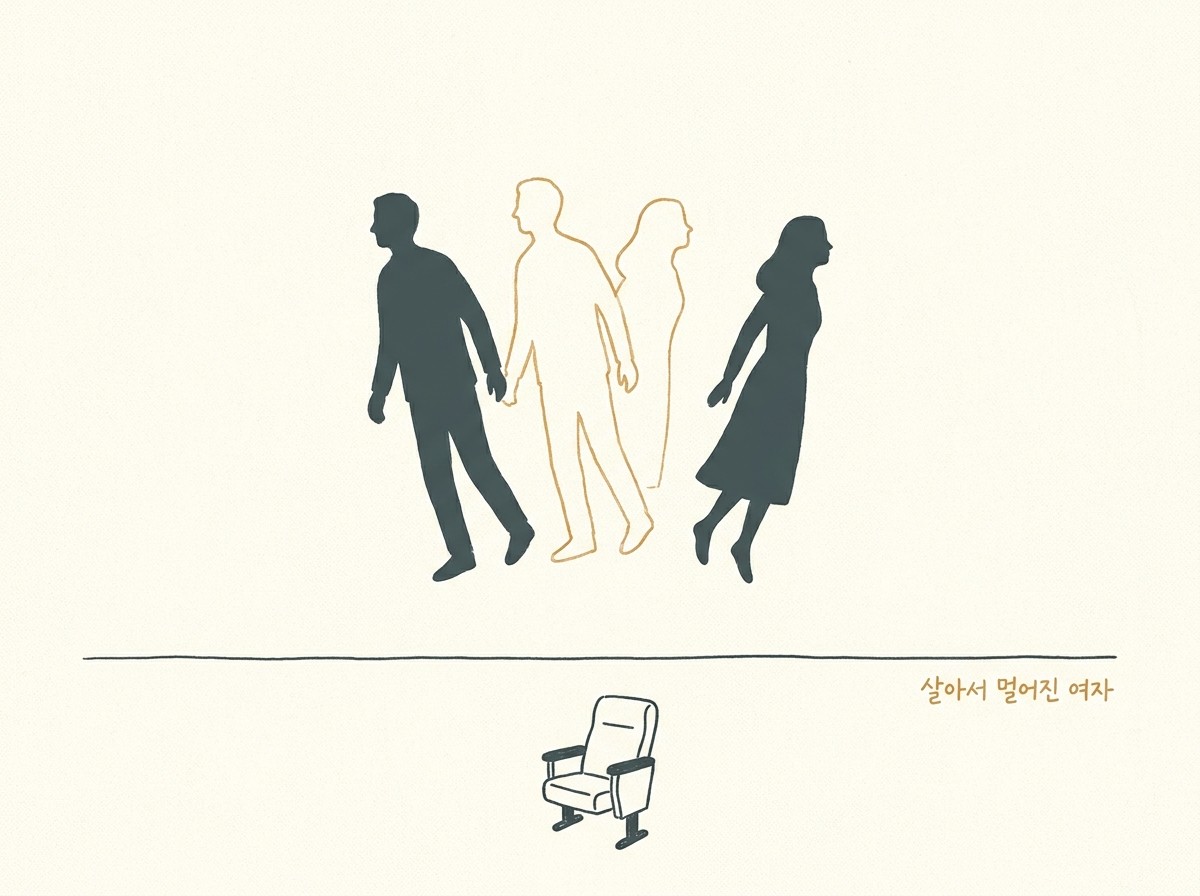
스무 살 무렵에 본 영화를 마흔이 넘어 그 속편으로 다시 만나는 일이 있다. 그럴 때 이상한 건, 스크린 속 인물은 그대로인데 그를 보는 내가 달라져 있다는 거다. 같은 장면이 그때는 가슴을 쳤는데 지금은 피식 웃게 만든다. 웃는데 어딘가 쓸쓸하다.
나에게는 에반게리온의 아스카가 그랬다. 스무 살의 나는 구판에서 신지와 아스카가 서로를 못 견뎌 하면서도 끝내 못 놓는 그 관계에 묶여 있었다. 마흔 중반에 신극장판을 봤을 때, 그 아스카는 신지와 절대 이어지지 않고 전혀 다른 남자 옆에서 어른이 되어 있었다. 신지는 또 다른 여자에게 갔고. 극장을 나서며 나는 좀 웃었고 좀 헛헛했다. 아, 첫사랑은 끝났구나, 하고.
흔히 신극장판의 아스카를 두고 드디어 치유됐다고 한다. 그런데 나는 이 글에서 그녀가 나았는지를 따지려는 게 아니다. 더 궁금한 건 따로 있다. 구판에서 그토록 못 놓던 그 관계를, 신극장판은 어떻게 우리로 하여금 보낼 수 있게 만들었는가. 그것도 슬픔이 아니라, 피식 하는 웃음으로.
죽은 첫사랑과 살아서 멀어진 첫사랑 — 프로이트
프로이트는 잃음에 두 길이 있다고 적었다. 표준판 열네 권째, 「애도와 멜랑콜리」. 멜랑콜리는 잃은 대상을 끝내 못 보내고 제 안으로 끌어들여 같이 굳는 것이다. 그 대상을 향했어야 할 원망이 갈 곳을 잃고 자기에게로 돌아선다. 프로이트는 그걸 한 문장으로 눌렀다.
Thus the shadow of the object fell upon the ego.
대상의 그림자가 자아 위에 드리운다. 잃은 사람이 떠나지 않고 내 안에 들러붙어, 나는 그를 미워하는 대신 나를 미워하게 된다. 애도는 반대다. 그 대상에 묶인 끈을 기억 하나하나에서 끌어올려 다시 붙들었다가 거기서 풀어내는 노동이다. 단번에가 아니라 조금씩, 막대한 시간과 품을 들여서. 그 일이 다 끝나야 비로소 자아는 다시 가벼워진다. 애도의 가벼움은 그 노동의 대가다.
구판의 신지와 아스카는 멜랑콜리였다. 두 굳은 사람이 서로를 못 놓고 부딪히다, 엔딩에서 한쪽이 다른 쪽의 목을 조르는 데까지 간다. 못 보낸 관계가 안에서 둘을 잡아당겨 같이 무너진 거다. 나는 이 자리를 이미 한 번 본 적이 있다. 겐도다. 초호기 안에 남은 유이를 영영 못 보내 굳은 남자. 죽었으되 사라지지 않은 대상, 그래서 보낼 수 없는 대상. 구판의 아스카도, 겐도도, 못 보내서 굳었다. 멜랑콜리에는 출구가 없다. 대상이 죽거나 박제되어 영영 거기 머무는 한.
신극장판이 한 일은 그 대상을 죽이지도 박제하지도 않은 것이다. 아스카는 켄스케 옆에서 멀쩡히 어른이 되고, 신지는 마리에게 간다. 비극도 아니고 미화도 아니다. 그냥 각자 다른 짝을 만나 평범하게 산다. 김이 빠질 만큼 담담하게. 그런데 바로 그 김빠짐이 결정적이다. 첫사랑이 비극으로 끝나거나 추억으로 박제되면 평생 멜랑콜리로 남지만, 살아서, 닿지 않는 곳에서, 딴 사람과 그냥 잘 살아주면 — 좀 분하고 좀 허탈하지만 — 비로소 보낼 수 있게 된다. 죽은 부재는 못 보내고 굳지만, 살아서 멀어지는 부재는 보낼 수 있다. 안노가 아스카를 다른 남자에게 줘버린 그 김빠짐이, 사실은 애도를 가능하게 한 유일한 조건이었던 셈이다.
여기서 한 가지가 분명해진다. 이 애도를 수행하는 건 화면 속 아스카가 아니다. 그녀는 제 끈을 하나씩 푸는 그 노동을 하지 않는다. 그냥 다른 삶을 살 뿐이다. 끈을 푸는 건 객석이다. 스무 살에 그 부딪힘에 묶였던 사람이, 마흔에 그 부딪힘의 종료를 보며 제 첫사랑의 끈을 푼다. 화면은 보낼 대상을 살려서 멀찍이 세워두고, 보내는 일은 보는 사람에게 맡긴다. 그게 멜랑콜리에는 없고 애도에만 있는 감정으로 드러난다. 웃픔이다. 비극에는 웃음이 없고 집착에도 웃음이 없다. 역시 늙었구나, 하고 피식 웃으며 쓸쓸해지는 그 헛헛함이, 끈이 풀리는 순간의 정확한 질감이다.
싸울 상대가 사라진 아수라 — 불교
구판의 아스카를 오래 본 사람은 그녀에게서 늘 어떤 전투 태세를 읽었을 것이다. 누가 건드리지 않아도 먼저 날을 세우고, 지는 걸 죽기보다 싫어하고, 곁의 사람을 끝내 경쟁자로 돌려세우는. 불교라면 이 자리를 아수라라 불렀다. 아수라는 힘으로는 천(天)에 못지않으나 마음에 탐냄과 질투가 가득해, 천과 끊임없이 싸우는 것으로 제 존재를 삼는 무리다. 경은 그 싸움의 뿌리를 분명히 짚는다. 모든 원한이 생기는 것은 탐냄과 질투 때문이라고.
묘한 건 아수라를 묶는 것의 정체다. 아수라왕 비마질다라가 천에게 패해 다섯 가닥 밧줄에 묶여 끌려온 이야기가 있다. 그 밧줄은 천이 채운 게 아니었다. 아수라왕이 마음으로 천을 적이라 여기면 곧 다시 묶이고, 아수라이기를 그만두고 이곳에 살겠다 마음먹으면 그 즉시 저절로 풀렸다.
나는 이제 아수라를 좋아하지 않고, 지금부터 이 천궁에서 살리라.
이렇게 생각하자 결박이 스스로 풀렸다고 경은 적는다. 아수라를 가두는 건 바깥의 적이 아니라, 상대를 적으로 세우는 제 마음이었던 거다. 적의를 내려놓으면 풀리고, 다시 적으로 규정하면 묶인다.
그런데 시키나미에게 일어난 일은 이 풀림과 비슷해 보이지만 결이 다르다. 그녀는 적의를 내려놓은 게 아니다. 싸울 상대가 바깥에서 치워졌을 뿐이다. 신지 옆자리에 다른 사람이 들어서면서, 부딪힐 대상 자체가 사라졌다. 비마질다라는 스스로 천을 적이 아니라 여겨 밧줄을 풀었지만, 시키나미는 적을 적이 아니라 여긴 적이 없다. 다만 적이 눈앞에서 없어졌을 뿐. 그래서 그녀의 평온은 결박이 풀린 평온이 아니다. 잡을 상대가 없어 전투 태세가 갈 곳을 잃고 가라앉은, 그런 종류의 고요다. 적이 다시 나타나면 밧줄은 도로 살아날 것이다. 풀린 게 아니라, 쉬고 있을 뿐이니까.
풀린 게 아니라 거둬진 것 — 이제마
프로이트와 불교를 차례로 지나고 나면, 두 길이 한 자리를 가리키고 있다는 게 보인다. 잃음에서 벗어나는 일도, 적의의 밧줄을 푸는 일도, 끝내 자기가 해야 하는 일이라는 것. 애도의 노동도 내가 하고, 적을 적이 아니라 여기는 것도 내가 한다. 그런데 시키나미는 그 둘 중 어느 것도 하지 않았다. 그러고도 가벼워졌다. 이 어긋남을 끝까지 따라가 보려면 이제마를 한 번 펼치는 게 좋다.
이제마는 사람이 선다는 것을 「我身立局」 넉 자로 적었다(『격치고』). 내 몸이 한 덩이의 됨됨이로 굳어 선다는 뜻이다. 중요한 건 이 굳음이 상대 때문에 생기는 게 아니라는 점이다. 한 사람이 한쪽으로 치우쳐 굳는 것은 제가 본래 지녔어야 할 무언가를 스스로 놓아버렸기 때문이지, 누가 그를 그렇게 만든 게 아니다. 구판 아스카의 굳음도 그랬다. 신지가 그녀를 굳힌 게 아니라, 그녀가 이미 굳은 채로 신지와 부딪혔다.
그렇다면 부딪힐 상대가 사라졌다고 그 굳음이 풀릴까. 이제마라면 아니라고 답할 것이다. 부딪힘이 사라지면 그 굳음이 만들어내던 마찰만 잠시 멎을 뿐, 굳은 것 자체는 그대로 남는다. 다음에 부딪힐 자리가 열리면 같은 방식으로 다시 굳은 채 부딪힐 것이다. 굳음을 푸는 길은 따로 있는데, 그건 상대가 없어지는 것과는 전혀 상관이 없다. 거짓으로 흐르려는 마음이 막 일어나는 그 순간, 행하기 직전에 돌이켜 제자리로 떠오르는 것 — 이제마는 그것만을 풀림이라 불렀다. 부딪힘의 한복판에서, 스스로. 상대가 사라져 멈추는 것은 길에서 돌부리가 치워진 것에 지나지 않는다.
그러니 시키나미의 고요는 이제마가 말한 그 풀림이 아니다. 그녀의 굳음은 풀린 게 아니라, 부딪힐 자리가 바깥에서 거둬져 가라앉은 것이다. 마리라는 인물을 떠올려 보면 이게 더 또렷해진다. 작품은 끝내 마리에게 두께를 주지 않는다. 과거도 내면도 거의 그리지 않고, 안경과 흥얼거리는 노래로만 떠다니게 둔다. 그건 실수가 아니라 마리의 역할이 한 인물이기보다 자리를 옮기는 장치이기 때문일 것이다. 마리가 마지막에 신지의 손을 잡고 역에서 데려가는 그 한 장면을 위해, 구판에서 신지 곁이던 아스카의 자리가 비워진다. 시키나미는 스스로 그 자리에서 걸어 나온 게 아니다. 그녀의 자리가 바깥에서 치워졌을 뿐이다.
여기에 이 영화의 가장 묘한 솜씨가 있다. 화면 속 인물에게서는 풀림을, 그러니까 스스로 돌이켜 떠오르는 그 일을 면제해 버린다. 시키나미는 착해져서 푼 것도, 깨달아서 놓은 것도 아니다. 그냥 부딪힐 데가 없어졌을 뿐이다. 그런데 작품은 바로 그 면제된 인물을 — 제 손으로 아무것도 풀지 않은 인물을 — 우리 앞에 살려서 멀찍이 세워둔다. 그리고 풀어내는 일은, 화면 밖의 우리에게 넘긴다. 인물에게서 거둬간 그 노동을, 관객에게 떠맡기는 것이다.
보낸 것은 늘 객석이었다
그래서 같은 결말이 두 가지로 읽힌다. 아스카를 다른 남자 옆에 두고 신지를 다른 여자에게 보낸 것을, 누군가는 작가가 제 옛사랑을 멀리 치워버린 청산으로 본다. 누군가는 끝내 서로를 놓지 못하던 두 사람을 서로에게서 풀어준 해방으로 본다. 김빠진 복수로도, 담담한 자비로도 읽힌다. 그런데 이 두 독해는 사실 한 사실의 양면이다. 둘 다 부딪힘의 자리를 들어냈다는 한 가지에서 나온다. 그 자리를 거두면 누군가에겐 버림이고 누군가에겐 풀림이다. 그래서 이 글은 그중 하나로 닫지 않는다. 자리가 사라진 곳은, 보는 사람이 제 안에 무엇을 들고 있느냐에 따라 다르게 보이니까.
다만 한 가지만은 분명하다. 프로이트도, 불경도, 이제마도 끝내 같은 말을 했다. 보내는 일은 자기가 하는 것이라고. 그런데 겐도는 죽은 대상을 못 보내 굳었고, 구판의 아스카는 그 부딪힘을 못 보내 깨졌고, 신극장판의 시키나미는 보낼 일조차 바깥에서 거둬졌다. 셋 중 누구도 제 손으로 보내지 못했다. 보낸 것은 언제나 화면 밖이었다. 겐도를 보며, 구판 아스카를 보며, 그리고 끝내 시키나미를 보며 제 첫사랑을 보낸 것은, 늘 객석에 앉은 우리였다.
극장을 나서던 그 저녁이 가끔 떠오른다. 스무 살의 내가 그 부딪힘 안에 있었다면, 마흔 중반의 나는 그 부딪힘이 끝나는 걸 보고 있었다. 화면 속 아스카는 끝내 아무것도 하지 않았는데, 정작 무언가를 내려놓은 건 의자에 앉은 나였다. 무거운 걸 오래 들고 있다 내려놓으면 팔이 저 혼자 잠깐 떠오르는, 그런 가벼움. 후련하기보다 먼저 헛헛한, 그러나 분명히 가벼운.
첫사랑은 그렇게 끝나는 모양이다. 누가 죽어서도, 누가 미워져서도 아니고. 그냥 어디선가 잘 살고 있다는 걸 알게 되어서. 그래서 피식 웃고, 조금 쓸쓸해지고, 그러고는 자리에서 일어나는 것으로.
— 최장혁 —
이 인물을 두 사람의 대화로 듣는다.
There’s a thing that happens when you see a film at twenty and then meet its sequel past forty. The strange part isn’t that the character on the screen has stayed the same; it’s that you, watching, have not. A scene that once struck you in the chest now makes you smile instead. And there is something lonely in the smile.
For me it was Asuka, in Evangelion. At twenty I was bound up in the old series — in the way Shinji and Asuka couldn’t stand each other and yet couldn’t let each other go. When I saw the Rebuild films in my mid-forties, that same Asuka had grown up beside an entirely different man and would never be with Shinji at all. Shinji had gone to another woman. Walking out of the theater I laughed a little and felt a little hollow. So, I thought. First love is over.
People like to say that in the Rebuild films Asuka was finally healed. But that is not what I want to weigh here — whether she got better. What I keep wondering is something else. That relationship she could not release in the old series — how did the new films make it possible for us to release it? And not through grief, but through a small, rueful laugh.
A Dead First Love, and One That Lived On and Moved Away — Freud
Freud wrote that there are two paths through loss. The fourteenth volume of the Standard Edition, “Mourning and Melancholia.” Melancholia is the failure to let a lost object go — drawing it inward instead, hardening around it. The reproach that should have gone to the object loses its address and turns back on the self. Freud pressed this into a single sentence.
Thus the shadow of the object fell upon the ego.
The shadow of the object falls across the ego. The lost one does not leave; he clings on inside you, and instead of hating him you come to hate yourself. Mourning is the opposite. It is labor — lifting each memory in which one’s love is bound to the object, taking hold of it once more, and loosening from it there. Not at a stroke but bit by bit, at great expense of time and energy. Only when that work is done does the ego grow light again. The lightness of mourning is the wage of that labor.
In the old series Shinji and Asuka were melancholia. Two hardened people who could not release each other, colliding until, at the end, one closes a hand around the other’s throat. A relationship neither could let go, pulling them both down from inside. I have seen this place once before. Gendo — the man who hardened because he could never let Yui go, left inside Unit-01. An object dead and yet not gone, and therefore impossible to release. Old-series Asuka, and Gendo, both hardened from failing to let go. Melancholia has no exit, so long as the object stays there, dead or embalmed.
What the Rebuild films did was refuse to kill the object, or to embalm it. Asuka grows up, perfectly fine, beside Kensuke; Shinji goes to Mari. Not tragedy, not idealization. Each simply finds a different partner and lives an ordinary life — anticlimactically calm. And that very anticlimax is the decisive thing. A first love that ends in tragedy, or is kept as memory, stays melancholia for life; but one that lives on, out of reach, simply doing fine with someone else — galling, deflating, yes — can at last be let go. A dead absence cannot be released and hardens; an absence that lives and recedes can. That deflation, Anno handing Asuka off to another man, turns out to have been the one condition that made mourning possible.
One thing becomes clear here. The one performing this mourning is not the Asuka on screen. She does no labor of loosening her own threads, one by one. She simply lives another life. The one loosening the threads is the audience. The person who at twenty was bound to that collision, at forty watches its ending and loosens the threads of his own first love. The screen sets the object to be released alive and at a distance, and leaves the releasing to the one watching. It shows itself in a feeling melancholia lacks and only mourning has. The rueful laugh. Tragedy has no laughter in it, and neither does obsession. That hollow, smiling so, I’ve gotten old — that is the exact texture of a thread coming loose.
The Asura Whose Opponent Vanished — Buddhism
Anyone who watched old-series Asuka for long read a permanent combat stance in her. Sharpening her edge before anyone touched her, hating to lose more than death, turning whoever stood near her into a rival. Buddhism would have called this place the asura (阿修羅, asura, a being whose power rivals the gods’ but whose mind is full of greed and envy). The asura makes its very existence out of endless war with heaven. The sutra names the root of that war plainly: all enmity arises from greed and envy.
What is strange is the nature of what binds the asura. There is a story in which the asura king Vemacitra, defeated by heaven, is dragged in bound by five cords. The cords were not fastened by heaven. The moment the asura king held heaven in his mind as enemy, he was bound again; the moment he resolved to stop being an asura and to live here, they fell away of themselves.
I no longer delight in being an asura. From now on I will live here, in this heavenly palace.
At that thought, the sutra says, the bonds loosened on their own. What imprisons the asura is not an outer enemy but the mind that sets the other up as enemy. Lay down the enmity and they loosen; name the enemy again and they bind.
But what happened to Shikinami looks like this loosening and is, in its grain, different. She did not lay down her enmity. The opponent was simply removed from the outside. When another person stepped into the seat beside Shinji, the very object of collision vanished. Vemacitra loosened the cords by ceasing, himself, to hold heaven as enemy; Shikinami never ceased to hold an enemy as enemy. The enemy merely disappeared from in front of her. So her calm is not the calm of bonds undone. It is the kind of stillness in which a combat stance, finding nothing to seize, loses its direction and sinks. Let the enemy appear again and the cords will revive. Not undone — only resting.
Not Loosened but Lifted Away — Yi Je-ma
Once you pass through Freud and Buddhism in turn, you can see the two paths pointing to one place. That getting free of loss, and untying the cords of enmity, are in the end things one must do oneself. I do the labor of mourning; I am the one who stops seeing the enemy as enemy. And Shikinami did neither, and grew light all the same. To follow this discrepancy to its end, it helps to open Yi Je-ma (李濟馬) once.
Yi Je-ma wrote a person’s standing in four characters — 我身立局 (a-sin-rip-guk, “my body sets up its guk”), in the Gyeokchigo (格致藁). It means the body hardens into a single cast of character and stands. What matters is that this hardening does not come from the other. A person hardens to one side because he has himself let go of something he was meant to hold, not because someone made him so. Old-series Asuka’s hardening was like that too. Shinji did not harden her; she collided with Shinji already hardened.
Then will the hardening loosen because the one she collided with is gone? Yi Je-ma would say no. When the collision goes, only the friction that the hardening produced falls quiet for a while; the hardened thing itself stays as it was. Let a place to collide open again, and it will collide again, hardened in the same way. The path that loosens hardening lies elsewhere, and it has nothing at all to do with the other’s disappearing. In the very instant the mind begins to flow toward falsehood, just before it acts, to turn back and surface to one’s own place — that, and that alone, Yi Je-ma called loosening (反誠, ban-seong, the return to one’s true ground). In the middle of the collision, by oneself. A stopping that comes from the other’s vanishing is no more than a stone cleared from the road.
So Shikinami’s stillness is not the loosening Yi Je-ma meant. Her hardening was not loosened; the place she had to collide with was lifted away from the outside, and she sank. Mari makes this clearer if you call her to mind. The work never gives Mari any thickness. It barely draws her past or her inner life, letting her drift on a pair of glasses and a hummed tune. That is not a mistake but because Mari’s role is less a person than a device that moves a seat. For the single scene at the end where she takes Shinji’s hand and leads him away from the platform, the seat that in the old series belonged beside Shinji to Asuka is emptied. Shikinami did not walk out of that seat herself. Her seat was simply cleared from the outside.
Here is this film’s strangest craft. From the figure on screen it exempts the loosening — the turning-back-and-surfacing one must do oneself. Shikinami did not loosen by growing kind, or let go by waking up. There was simply nowhere left to collide. And the work sets exactly that exempted figure — the one who loosened nothing by her own hand — alive and at a distance before us. And the loosening it hands to us, outside the screen. The labor it took back from the character, it lays on the audience.
What Did the Sending Was Always the Audience
So the same ending reads two ways. Setting Asuka beside another man and sending Shinji to another woman — some see in it an author clearing his old love far away, a settling of accounts. Some see two people who could never release each other set free, at last, of each other. It reads as deflated revenge and as quiet mercy both. Yet these two readings are two faces of one fact. Both come from the single act of lifting away the place of collision. Take that place away, and to one it is abandonment and to another release. So this essay does not close on one of them. The place where a collision once stood looks different depending on what the one watching is carrying inside.
Only one thing is certain. Freud, the sutras, and Yi Je-ma all said, in the end, the same thing: the sending is something you do yourself. And Gendo hardened, unable to send a dead object; old-series Asuka broke, unable to send that collision; Rebuild Shikinami had even the sending lifted away from the outside. Not one of the three sent by their own hand. What did the sending was always outside the screen. Watching Gendo, watching old-series Asuka, and at last watching Shikinami, the one who sent off his own first love was, always, us, in our seats.
That evening leaving the theater comes back to me sometimes. If at twenty I was inside that collision, at forty-something I was watching it end. The Asuka on screen did nothing in the end, and yet the one who set something down was me, in my seat. The lightness of a heavy thing carried long and then set down, the arm rising a little on its own. Hollow before it is a relief, and yet unmistakably light.
That, it seems, is how first love ends. Not because someone died, not because someone turned hateful. Just because you come to know they are living well somewhere. And so you smile a little, grow a little lonely, and then rise from your seat.