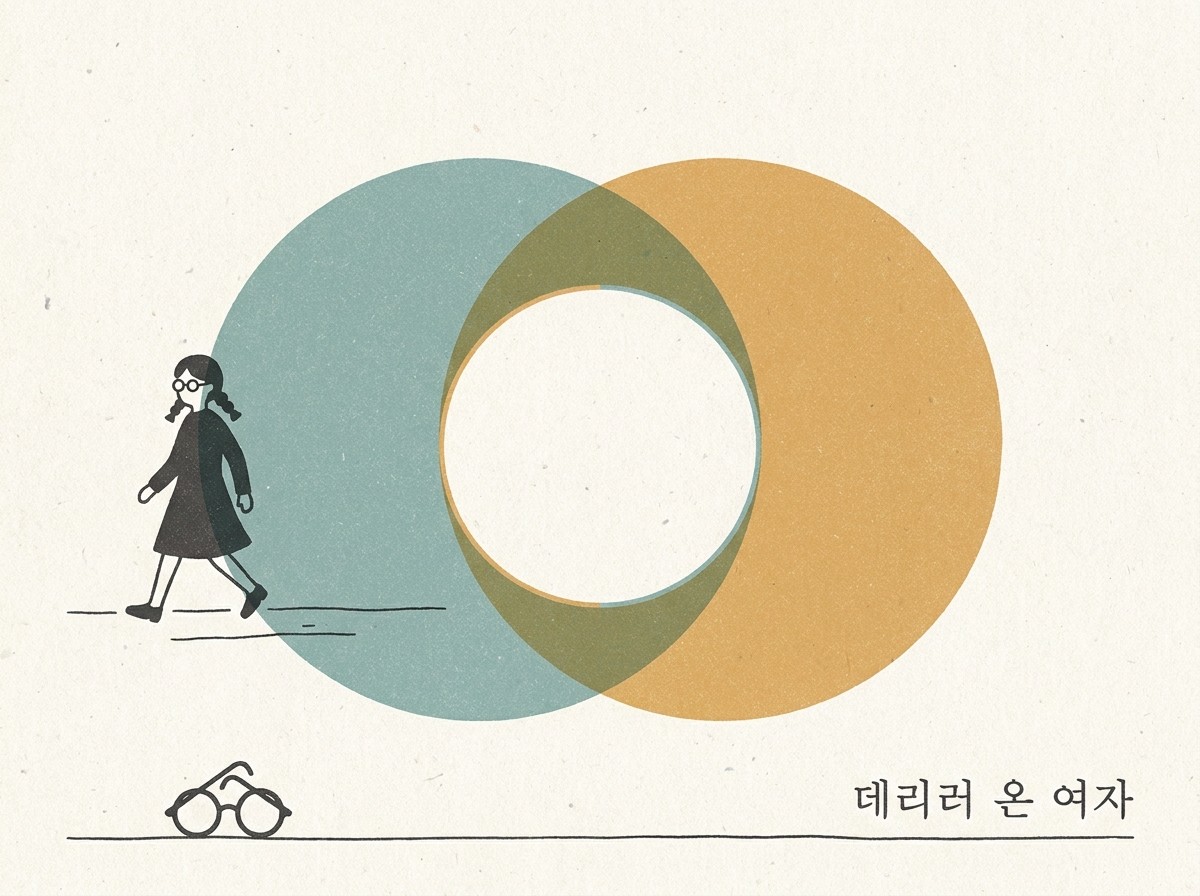
지난주에 안경을 새로 맞췄다. 검안 기계 앞에 턱을 얹으면 검안사가 렌즈를 딸깍딸깍 갈아 끼우며 묻는다. 1번이 잘 보입니까, 2번이 잘 보입니까. 대개는 답이 있다. 1번, 아니 2번, 다시 1번. 그런데 가끔 어느 쪽도 아닌 순간이 온다. 둘 다 또렷하거나, 둘 다 아니거나. 검안사는 당황하지 않는다. 표정 없이 다음 렌즈로 넘어간다. 기계에는 빈칸이라는 답도 준비되어 있는 모양이다. 누군가 미리, 어느 쪽으로도 안 떨어지는 눈이 있을 걸 알고 그 칸을 비워 두었다.
돌아오는 버스에서 그 빈칸을 생각했다. 나는 두 달 가까이 『에반게리온』의 인물들에게 렌즈를 갈아 끼워 왔다. 프로이트로 보고, 융으로 보고, 이제마의 여덟 잠언으로 보았다. 누구는 첫 렌즈에서, 누구는 마지막 렌즈에서 초점이 맺혔다. 그런데 한 사람 앞에서 기계가 헛돌았다. 어느 렌즈를 끼워도 초점이 잡히지 않는 사람. 공교롭게도, 안경을 쓴 여자다.
마키나미 마리 일러스트리어스. 극장판 세 편이 전부 그녀의 콧노래로 열린다. 반쯤 죽은 행성의 하늘에서, 낡은 가요를 흥얼거리며, 그녀는 싸운다. 오래 헛돈다고 여겼는데, 버스에서 문득 다른 생각이 들었다. 초점이 안 잡히는 게 그녀의 눈 때문이 아니라면. 검안 기계의 빈칸처럼, 누군가 미리 그 자리를 비워 둔 것이라면.
월요일의 교수대 — 프로이트
프로이트가 말년에 쓴 짧은 글이 하나 있다. 농담에 관한 두꺼운 책을 낸 지 이십 년도 더 지나서, 그는 유머라는 것을 다시 꺼내 들었다. 거기 나오는 예가 이렇다. 월요일 아침, 교수대로 끌려가던 죄수가 말한다.
Well, the week's beginning nicely.
이번 주는 시작이 좋군. 프로이트는 이 한마디를 방어라고 부르지 않았다. 승리라고 불렀다. 세계가 고통을 청구해 올 때 그 값을 지불하지 않겠다는 선언, 자아는 다치지 않는다는 의기양양한 주장. 그의 표현으로는 나르시시즘의 승리다. 그리고 그 목소리의 출처를 그는 뜻밖의 자리에서 찾았다. 평소에는 혼내기만 하던 초자아가, 이때만은 겁먹은 자아를 어르는 어른이 되어 말해 준다는 것이다.
It is nothing but a game for children—just worth making a jest about!
그토록 위험해 보이는 이 세계는 애들 장난일 뿐이라고. 마리의 콧노래는 이 글의 삽화로 써도 될 정도다. 인류가 거의 지워진 행성, 괴물과의 백병전, 추락하는 기체. 그 안에서 그녀는 반세기 전 유행가를 부른다. 교수대 위의 월요일이 세 편 내내 이어지는 셈이다. 그런데 이 설명에는 전제가 하나 있다. 어딘가에 겁먹은 자아가 있어야 한다. 어르고 달래야 할 누군가가 안쪽에 웅크리고 있어야, 그 노래가 위로가 된다. 화면은 그걸 끝내 보여주지 않는다. 두려워하는 마리를, 우리는 한 번도 본 적이 없다.
처음엔 이걸 관측의 실패로 읽었다. 알맹이가 있는데 화면이 안 비춰 준 거라고. 그런데 다른 인물들을 떠올리면 이 침묵이 이상하다. 신지의 두려움은 세 편 내내 화면의 한복판이다. 아스카의 날 선 자존심도, 겐도의 굳은 슬픔도, 카메라가 집요하게 판다. 유독 마리에게만 카메라가 그 안쪽을 비추지 않는다. 그렇다면 이건 못 비춘 게 아니라 안 그린 것에 가깝다. 겁먹은 자아가 안 보이는 게 아니라, 처음부터 거기 그려지지 않은 것이다. 교수대의 유머는 사형 선고를 받은 사람의 것인데, 마리는 이 이야기가 형(刑)을 선고하지 않는 인물이다. 신지도 아스카도 카오루도 목에 찼던 그 폭발 목줄을, 그녀만은 한 번도 차지 않았다. 렌즈가 헛도는 게 아니라, 여기 위로받을 자아가 그려져 있지 않다고 정확히 알려 주는 것이다.
구원자보다 먼저 오는 자 — 융
가명을 쓴다. 본명은 마지막 편에 가서야, 그것도 남의 입을 빌려 잠깐 불린다. 몸의 나이를 어딘가에 두고 왔고, 그 사연은 설명되지 않는다. 한쪽 진영에서 다른 진영으로 건너가고, 어느 쪽에도 눌러앉지 않는다. 만나는 사람마다 별명을 붙인다. 멍멍이 군, 공주님. 위계라는 것을 장난감처럼 다룬다.
융이라면 이 목록을 보고 오래된 서류철 하나를 꺼냈을 것이다. 트릭스터. 신화의 변두리를 어슬렁거리는 그 형상을 두고 융은 연금술의 메르쿠리우스를 겹쳐 읽었다.
his fondness for sly jokes and malicious pranks, his powers as a shape-shifter, his dual nature, half animal, half divine
짓궂은 농담을 즐기고, 모습을 바꾸고, 반은 짐승이며 반은 신인 존재. 굳어 가는 질서를 뒤집어 놓고, 높은 자리에 앉은 것들을 웃음거리로 만드는 자. 여기까지는 잘 맞는다. 그런데 융이 이 어릿광대에게 준 가장 뜻밖의 자리는 따로 있다.
He is a forerunner of the saviour
구원자보다 먼저 오는 자. 트릭스터 이야기의 끝자락에 구원자가 어른거린다면, 그것은 재앙이 이미 일어났고 누군가 그걸 정면으로 이해했다는 뜻이라고 융은 적었다. 신극장판의 끝에서 실제로 데리러 오는 사람이 누구인지 우리는 안다. 형태를 바꾸는 힘, 경계를 넘는 발, 구원자의 예감까지 정확히 겹쳐 놓고, 정작 한가운데 술어 하나가 뒤집혀 있다. 융의 트릭스터에는 조건이 하나 붙어 있다. 그는 무의식 그 자체다. 저도 모르게 부수고 저도 모르게 당하는, 아직 덜 여문 마음. 마리는 정반대다. 그녀는 이 이야기에서 거의 유일하게, 너무 많이 아는 사람이다. 겐도의 계획을 알고, 레이의 기원을 알고, 자기가 어디로 가는지 안다.
그런데 이 뒤집힘이야말로 실마리다. 저도 모르게 움직이는 트릭스터는 마음의 한 조각이다 — 누군가의 무의식이 저 혼자 튀어나온 것. 반대로 모든 걸 알면서 정확히 제자리에 오는 트릭스터는 마음의 조각이 아니라, 누군가 데려다 놓은 도구다. 무의식은 저도 모르게 오지만, 도구는 알고 온다. 트릭스터의 옷을 입었으되 무의식의 몸은 아닌 것. 융의 렌즈는 여기서 인물을 놓치고 그 위의 손을 짚는다. 마리를 움직이는 건 마리의 무의식이 아니라 마리를 쓴 사람의 의도다. 구원자보다 먼저 오는 자를, 안노는 무의식에서 길어 올린 게 아니라 이야기 밖에서 들여왔다.
칸에 앉지 않는 손 — 이제마
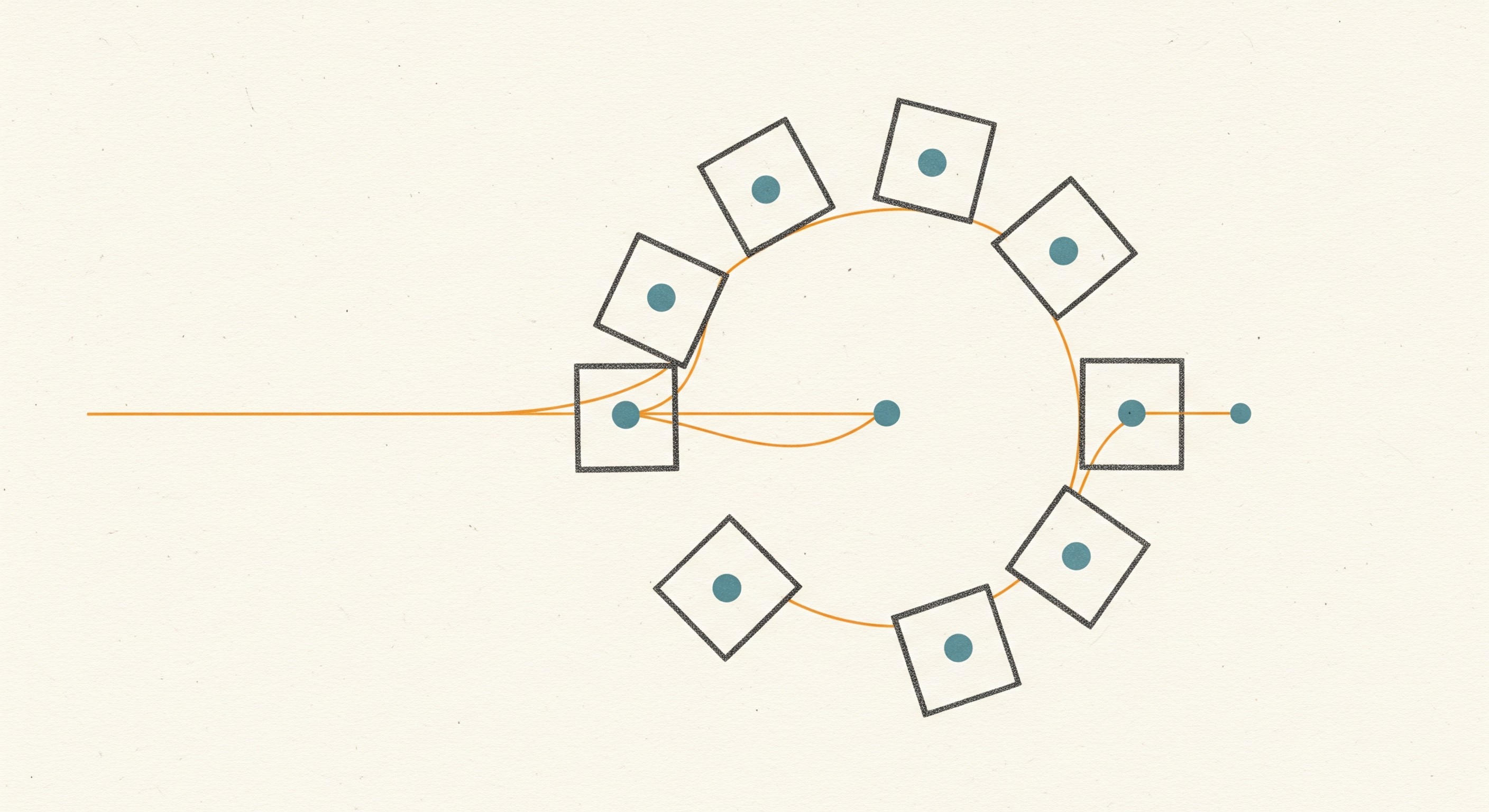
이제마는 사람과 사람이 맞닿는 자리를 여덟 칸으로 갈라 적었다. 내가 속이려 드는 네 자리와, 남이 나를 속이려 드는 네 자리. 힘이 있어 사람이 모이면 빼앗는 쪽으로 굴러가고, 재주를 뽐내면 공격이 돌아온다. 두 달 동안 이 격자는 잘 일했다. 겐도는 잃은 것을 움켜쥔 자리에, 미사토는 끌려가지 않으려 버티는 자리에, 카오루는 홀로 가서 이루는 자리에 앉았다. 열한 명이 열한 자리에 앉았고, 여덟 칸에는 남김없이 불이 들어왔다.
마리를 앉히면 좌표를 읽을 수가 없다. 그녀가 누구를 속이는 장면이 없고, 누구에게 속아 넘어가는 장면도 없다. 빼앗지도, 뽐내지도, 숨어서 챙기지도 않는다. 처음엔 이걸 격자의 한계로 여겼다. 여덟 칸이 못 담는 사람이 있구나, 하고. 그런데 이 격자가 재는 게 정확히 무엇인지 되짚으면 이야기가 달라진다. 이 여덟 칸은 사람의 됨됨이를 재는 게 아니다. 한 됨됨이가 다른 됨됨이와 맞닿아 굳는 그 순간의 기세를 잰다. 이제마는 사람이 선다는 것을 「我身立局」 넉 자로 적었다. 내 몸이 한 덩이의 됨됨이로 굳어 선다는 뜻이다. 여덟 칸은 그렇게 굳어 선 국(局)들 사이에서만 불이 들어온다.
마리는 굳어 서지 않는다. 아니, 더 정확히는, 그녀는 굳어 서는 쪽이 아니라 굳어 선 것들을 옮기는 쪽이다. 판 위의 말이 아니라 판을 다시 놓는 손이다. 손은 칸에 앉지 않는다. 격자가 그녀 앞에서 빈칸을 돌려주는 건 격자가 고장 나서가 아니라, 애초에 그녀가 격자가 재는 종류의 것이 아니어서다. 안쪽이 없다는 말이 아니다 — 그건 내가 판정할 수 있는 게 아니다. 다만 이 이야기가 그녀를 국으로 세우지 않고 국들을 옮기는 장치로 썼다는 것, 그것만은 화면이 말해 준다. 과거도 내면도 그리지 않고 안경과 콧노래로만 떠다니게 둔 그 얇음이, 실수가 아니라 용도인 것이다.
이제마가 이 격자를 적으면서 서문에 먼저 못박아 둔 문장이 있다.
形理之取象只是臆見 其象有八 非眞謂伏羲易象如此也
상을 취한 것은 다만 내 억견일 뿐이요 그 상이 여덟이 있을 따름이니, 복희의 역상이 정말 이러하다는 말이 아니다. 여덟 칸이 세계의 전부라고, 그는 말한 적이 없다. 격자를 만든 사람이 격자 밖을 먼저 열어 두었다. 그러니 여기 두 사람의 열어 둔 밖이 겹친다. 이제마는 서문에서 여덟 칸 밖을 열어 두었고, 안노는 그 열린 자리에 인물 하나를 놓았다. 한쪽은 격자가 세계의 전부가 아니라고 적었고, 다른 한쪽은 격자에 앉지 않는 손을 만들어 이야기 안에 들여보냈다. 마리 앞에서 빈칸을 돌려주는 이 기계는, 고장 난 게 아니라 두 저자가 나란히 비워 둔 그 자리를 정확히 가리키고 있는 것이다.
그녀가 격자 밖에서 한 일들은 남는다. Q에서 신지의 플러그를 강제로 뽑아 임팩트를 멈춘 것. 마지막에 그 목줄을 벗겨 준 것. 여덟 칸 안의 누구도 하지 못한 일이었다. 칸 안의 말은 다른 말을 옮길 수 없으니까. 판을 옮기려면 판 밖에 있어야 한다.
서는 곳마다 주인 — 불교
여기까지의 렌즈들은 전부 안쪽을 찾았다. 위로받아야 할 자아, 덜 여문 무의식, 굳어 서는 국. 안쪽을 전제하지 않고 사람을 읽는 법이, 내가 아는 한 하나 있다. 임제는 불법이 애써 공들일 곳이 없는 것이라고 했다. 그저 평소에 일 없음이라고. 옷 입고 밥 먹고 피곤하면 눕는 것이라고. 그리고 이렇게 이었다.
隨處作主 立處皆眞 境來回換不得
가는 곳마다 주인이 되면 서 있는 곳이 모두 참되어, 어떤 경계가 와도 바꿔치지 못한다. 마리는 어느 진영에서도, 달의 기지에서도, 세계가 뒤집힌 바다에서도, 에바가 사라진 거리에서도 늘 제집처럼 군다. 지킬 국이 없는 것은 빼앗길 국이 없다는 뜻이기도 하다. 잃은 것을 찾으러 다니는 사람이 아니라면, 격자가 잴 것이 처음부터 없었는지도 모른다. 태어난 게 아니라 놓인 것이라면, 결핍에서 출발할 까닭도 없다. 다른 렌즈들이 헛돌던 그 자리를, 이 오래된 어록은 결핍 없이, 안쪽을 묻지 않고 말해 준다. 서는 곳마다 주인인 것은 도(道)의 경지일 수도 있고, 애초에 자리를 옮기는 손의 속성일 수도 있다. 이 이야기에서 그녀는 후자에 가깝다.
데리러 온 사람
마지막 장면은 실사로 찍은 역이다. 어른이 된 신지가 벤치에 앉아 있고, 그 목에는 목줄이 아직 남아 있다. 뒤에서 온 손이 그것을 벗긴다. 데리러 왔어, 하고 그녀는 말한다. 두 사람은 손을 잡고 계단을 뛰어오른다.
그 손이 오려면 자리가 하나 비어 있어야 했다. 구판에서 신지 곁이던 자리, 아스카의 자리다. 신극장판의 아스카는 신지와 끝내 이어지지 않고 다른 남자 옆에서 어른이 되어 있다. 나는 그 아스카를 두고 한 번 쓴 적이 있다. 구판의 신지와 아스카는 서로를 못 놓고 부딪히다 같이 무너지는 멜랑콜리였는데, 신극장판은 그 첫사랑을 죽이지도 박제하지도 않고 살려서 남남으로 보냄으로써 그 굳음을 풀었다고. 다만 그 풀림을 수행하는 건 화면 속 인물이 아니라, 자기 스무 살을 떠나보내는 객석이라고. 작품은 인물에게서 스스로 보내는 그 일을 면제하고, 보내는 노동을 보는 사람에게 넘긴다.
그 면제가 가능하려면 누군가 아스카의 자리를 바깥에서 치워야 한다. 그 일을 한 손이 마리다. 아스카 쪽에서 보면 살아서 멀어진 첫사랑이고, 마리 쪽에서 보면 그 첫사랑의 자리를 비운 손이다. 한 동작을 양쪽에서 본 것뿐이다. 그리고 판 위의 어떤 말도 자기가 놓인 자리를 스스로 치울 수는 없으니, 그 손은 판 밖에서 와야 했다. 마리가 여덟 칸 어디에도 안 앉는 건 그래서다. 안노는 이 이야기를 스스로 풀 수 없는 매듭으로 짜 놓고 — 인물들에게서 푸는 일을 면제하고 — 그 매듭을 밖에서 끊을 손 하나를 따로 만들어 들여보냈다. 칸에 앉는 손은 매듭을 못 끊는다. 끊으려면 칸 밖에 있어야 한다.
그러니 그 손이 여덟 칸 중 어느 칸에서 온 것이냐는 물음은, 처음부터 답이 없는 게 아니라 자리를 잘못 짚은 물음이었다. 빈칸은 마리의 눈에 있던 게 아니다. 검안 기계의 그 빈칸처럼, 누군가 미리 비워 둔 자리에 있었다. 이제마가 서문에서 열어 둔 밖, 안노가 그 밖에 놓은 손. 데리러 온다는 건 그 손이 하도록 처음부터 정해진 일이었다.
새 안경을 쓰고 나온 날처럼, 두 달을 들여다본 이야기가 잠깐 낯설게 또렷하다. 여덟 칸을 다 채우고도 끝내 한 칸이 비어 있었는데, 그 빈칸이 이야기의 구멍이 아니라 이야기를 밖에서 닫는 손의 자리였다는 것이.
— 최장혁 —
이 인물을 두 사람의 대화로 듣는다.
Last week I had new glasses made. You rest your chin on the machine and the optometrist clicks lenses in and out, asking: better with one, or with two? Usually there is an answer. One. No — two. One again. But every so often a moment comes when it is neither. Both sharp, or both wrong. The optometrist doesn’t flinch. Without a word she moves to the next lens. The machine, it seems, keeps a blank among its answers. Someone knew, in advance, that there would be eyes that fall on neither side, and left that cell empty for them.
On the bus home I thought about that blank. For the better part of two months I have been swapping lenses in front of the people of Evangelion. I looked through Freud, through Jung, through Yi Je-ma’s eight admonitions. Some came into focus at the first lens, some at the last. And in front of one person the machine spun without catching. A person no lens would bring into focus. She wears glasses, as it happens.
Mari Makinami Illustrious. Three films in a row open with her humming. Over the sky of a half-dead planet, an old pop song on her lips, she fights. For a long time I took the machine to be failing. Then, on the bus, another thought arrived. What if the focus refuses to settle not because of her eyes? What if — like the blank in the optometrist’s machine — someone left that cell empty on purpose?
The Gallows on a Monday — Freud
There is a short paper Freud wrote late in life. More than twenty years after his thick book on jokes, he picked humour up again. The example he gives goes like this. On a Monday morning, a criminal being led out to the gallows remarks:
Well, the week's beginning nicely.
Freud did not call that line a defence. He called it a victory — a refusal to pay the suffering the world was billing, the ego’s insistence that it cannot be touched. His phrase for it was the triumph of narcissism. And he located the voice in an unexpected place. The super-ego, usually the scold, for once becomes the adult who soothes a frightened child, and says:
It is nothing but a game for children—just worth making a jest about!
The world that looks so dangerous is child’s play. Mari’s humming could illustrate that paper. A planet nearly wiped clean, close combat with monsters, a falling machine — and inside it she sings a pop song half a century old. The Monday gallows, running for three films. But the account has one premise. Somewhere there must be a frightened ego. Someone has to be huddled inside for the song to be a comfort. The films never show it. We never once see Mari afraid.
At first I read this as a failure of observation — the core was there, and the camera simply never turned toward it. But think of the others and the silence turns strange. Shinji’s fear sits at the centre of the frame for three whole films. Asuka’s raw pride, Gendo’s hardened grief — the camera digs at them without mercy. Only with Mari does it decline to look inside. Which suggests this is less a failure to show than a decision not to draw. It is not that the frightened ego is hidden; it was never drawn in. The gallows humour belongs to a man under sentence, and Mari is the one person on whom this story passes no sentence. The exploding collar that Shinji and Asuka and Kaworu all wore at the neck — she alone never wore it once. The lens is not spinning loose. It is reporting, precisely, that no ego was drawn here to be comforted.
The One Who Comes Before the Saviour — Jung
She uses an assumed name. Her real one is spoken only in the last film, briefly, and by someone else. She left her body’s age somewhere along the way, and the story never explains it. She crosses from one camp to the other and settles in neither. She hands out nicknames to everyone she meets — puppy boy, princess — and handles hierarchy like a toy.
Jung, shown that list, would have pulled out an old file. The trickster. Reading that figure loitering at the edges of mythologies, he laid it over Mercurius of the alchemists:
his fondness for sly jokes and malicious pranks, his powers as a shape-shifter, his dual nature, half animal, half divine
One who enjoys the sly joke, changes shape, is half beast and half god; who upends orders as they harden and makes the seated powers ridiculous. So far the fit is clean. But the strangest seat Jung gave this clown is another one:
He is a forerunner of the saviour
One who comes before the saviour. If, at the end of a trickster myth, a saviour is hinted at, Jung wrote, it means a calamity has happened and been consciously understood. We know who, at the end of these films, actually comes for the boy. Only, Jung’s trickster carries a condition. He is unconsciousness itself — breaking without knowing, suffering without knowing, a mind not yet ripe. Mari is the opposite. She is very nearly the only person in this story who knows too much. Gendo’s plan, Rei’s origin, where she herself is going.
And yet this inversion is the clue. A trickster who moves without knowing is a fragment of a psyche — someone’s unconscious sprung loose on its own. A trickster who knows everything and arrives exactly on cue is not a fragment of a psyche but an instrument someone has set in place. The unconscious comes without knowing; an instrument comes knowing. She wears the trickster’s clothes, but the body inside them is not the unconscious. Here the lens slips off the character and touches the hand above her. What moves Mari is not Mari’s unconscious but the intent of the one who wrote her. The forerunner of the saviour was not drawn up from any depth of the psyche. Anno brought her in from outside the story.
The Hand That Takes No Seat — Yi Je-ma
Yi Je-ma divided the places where people touch into eight cells. Four where I incline to deceive, and four where another inclines to deceive me. Where strength gathers people around a person, the hand slides toward taking; where skill is flaunted, attack comes back. For two months the grid worked well. Gendo sat in the cell of clutching what was lost, Misato in the cell of holding against the pull, Kaworu in the cell of going alone and accomplishing. Eleven people took eleven seats, and all eight cells lit, none left over.
Seat Mari in it and the coordinates will not read. There is no scene of her deceiving anyone, and none of her being deceived. She does not take, does not flaunt, does not hide and pocket. At first I took this for the grid’s limit — so there are people the eight cells cannot hold. But go back to what the grid actually measures and the story changes. These eight cells do not measure what a person is. They measure the momentum of the instant when one formed being meets another and hardens against it. Yi Je-ma wrote what it is for a person to stand in four characters: 我身立局 — my body hardens and stands as one formed configuration, a 局, guk. The eight cells light up only between configurations that have hardened and taken their stand.
Mari does not harden and stand. Or, more precisely: she is not one of the things that harden — she is what moves the hardened things. Not a piece on the board but the hand that sets the board again. A hand takes no seat in any cell. If the grid returns a blank in front of her, it is not because the grid is broken but because she was never the kind of thing the grid measures. This is not to say she has no inside — that is not mine to rule on. But that this story never set her up as a configuration, and used her instead as the device that moves configurations: that much the films do say. The thinness that gives her no past and no interior, that lets her drift on a pair of glasses and a hummed tune, is not an oversight. It is a function.
Yi Je-ma, writing this grid down in his 格致藁, Gyeokchigo, nailed one sentence to its preface first.
形理之取象只是臆見 其象有八 非眞謂伏羲易象如此也
Taking these images from form and principle is only my own conjecture; the images number eight, and I do not mean that Fuxi’s images of the Changes were truly so. He never said the eight cells were the whole of the world. The man who built the grid opened its outside first. So here, two authors’ opened outsides coincide. Yi Je-ma left, in his preface, a place beyond the eight cells; Anno set a figure down in that open place. One wrote that the grid is not the whole of the world; the other made a hand that sits in no cell, and sent it into the story. The machine returning a blank in front of Mari is not malfunctioning. It is pointing, exactly, at the seat the two of them left empty.
What she did from outside the grid remains. In the third film, forcing Shinji’s entry plug out and stopping an Impact. At the very end, taking that collar off his neck. Things no one inside the eight cells managed to do. A piece inside a cell cannot move another piece. To move the board, you have to be off it.
Master Wherever You Stand — Buddhism
The lenses so far have all looked for an inside. An ego to be comforted, an unripe unconscious, a configuration hardening into its stand. There is one way I know of reading a person without presupposing an inside. Linji said the Buddha-dharma has no place for effort — that it is nothing but the ordinary and uneventful. Put on your clothes, eat your rice, lie down when tired. And then he joined this to it.
隨處作主 立處皆眞 境來回換不得
Wherever you go, be the master, and wherever you stand is true; no circumstance that comes can trade it away. Mari behaves as if at home everywhere — in either camp, on the lunar base, on a sea where the world has turned over, on a street where Evangelions no longer exist. To have no configuration to defend is also to have none that can be taken. If she is not a person going about in search of something lost, then perhaps the grid never had anything in her to measure. If she was not born into the story but placed in it, there is no reason she should start from lack. The place where every other lens spun loose, this old record of sayings names without lack, without once asking after an inside. To be master wherever you stand may be the far end of a long practice — or it may simply be the property of a hand whose work is the moving of seats. In this story, she is closer to the latter.
The Woman Who Came for Him
The last scene is shot in live action, at a railway station. Shinji, grown, sits on a bench, the collar still at his throat. A hand from behind takes it off. I came for you, she says. The two of them take the stairs at a run, hand in hand.
For that hand to come, one seat had to be empty first — the seat beside Shinji, which in the old series belonged to Asuka. In these new films Asuka never joins him; she grows up beside another man. I wrote about that Asuka once. In the old series she and Shinji were melancholia — two hardened people who could not let each other go, and broke together. The new films dissolved that hardening not by killing the first love, and not by embalming her, but by letting her live and drift out of reach. Only, the one who performs that dissolution is no one on screen. It is the audience, seeing its own twenties off. The films excuse the character from the labour of letting go, and hand that labour to whoever is watching.
For that excusal to work, someone has to clear Asuka’s seat from the outside. The hand that did it is Mari. Seen from Asuka’s side, a first love that lived and receded; seen from Mari’s side, the hand that emptied the first love’s seat. One motion, watched from its two sides. And since no piece on a board can clear its own square, the hand had to come from off the board. That is why Mari sits in none of the eight cells. Anno tied this story into a knot it could not untie from within — excused its people from the untying — and built, separately, one hand to cut the knot from outside, and sent it in. A hand seated in a cell cannot cut the knot. To cut it, you have to be outside the cells.
So the question — from which of the eight cells did that hand come? — was never a question without an answer. It was a question aimed at the wrong place. The blank was never in Mari’s eyes. Like the blank in the optometrist’s machine, it sat in a cell someone had emptied in advance: the outside Yi Je-ma left open in his preface, the hand Anno placed in that outside. Coming for him was what that hand was made, from the beginning, to do.
Like the day you walk out in new glasses, a story I have stared at for two months is strange for a moment, and very clear. All eight cells filled, and still one cell stood empty — and that blank was not a hole in the story, but the seat of the hand that closes it from outside.