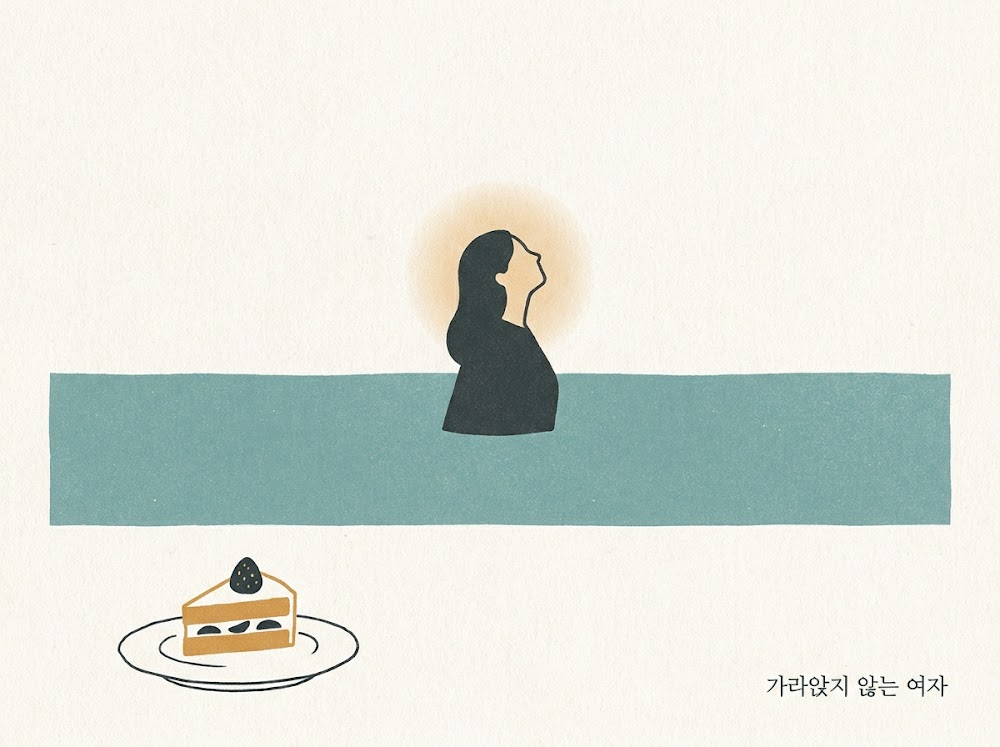
누군가는 늘 부엌에 있다. 가족이 식탁에 앉기 전에 먼저 일어나 국을 데우고 반찬을 덜고, 다 차려놓은 다음에야 마지막으로 앉는 사람. 그런 사람을 보면 묘한 기분이 든다. 저 사람은 언제 배가 고팠을까. 차리는 동안 식어버린 건 음식이 아니라 그 사람의 허기 같다는 생각이 든다.
미도리를 처음 읽었을 때 나는 그 부엌이 떠올랐다. 그녀는 늘 무언가를 차린다. 도시락을 싸 오고, 간사이식으로 상을 봐주고, 죽어가는 아버지의 입에 오이를 밀어넣는다. 받은 기억이 별로 없는 사람이 끝도 없이 차린다. 그러면서 정작 자기 몫으로는 사다 놓고 먹지 않을 딸기 쇼트케이크 같은 걸 요구한다. 먹고 싶다고 해서 사 왔는데 막상 안 먹겠다고 하면, 창밖으로 던져버려도 화내지 않을 사람. 그런 사람이 갖고 싶다고. 처음엔 그저 발랄한 투정처럼 들린다. 그런데 자꾸 곱씹게 된다. 왜 하필 먹는 일이고, 왜 하필 던져버려도 되는 사랑일까.
프로이트라면
프로이트라면 미도리의 입을 봤을 것이다. 그는 「성욕에 관한 세 편의 에세이」에서 사랑의 가장 오래된 형태가 입이라고 적었다. 젖을 빠는 일은 영양인 동시에 쾌락이고, 거기서 사랑과 먹는 일은 아직 갈라지지 않는다. 그리고 어딘가에서 그는 이상한 말을 덧붙인다. 젖을 충분히 못 먹었다는 아이의 불만은 사실 여부와 거의 상관없이 누구에게나 발견되며, 그 최초의 허기는 본질적으로 채워질 수 없다고. 젖을 잃은 고통을 사람은 영영 다 극복하지 못한다고. 그 부족을 아이는 한 가지로 번역한다 — 사랑이 부족했다.
미도리는 그 입을 어른의 몸으로 가지고 다닌다. 그녀는 사랑을 먹는 일로 말한다. 도시락을 싸 오고, 상을 차리고, 병상의 아버지 입에 오이를 넣는다. 받은 적 없는 사람이 끝없이 먹인다. 그리고 자기 몫으로는 먹지 않을 케이크를 요구한다. 프로이트라면 그 케이크가 결국 젖이라고 했을 것이다. 사랑이 무르익는 자리에서 연인들이 “널 깨물어 먹고 싶다"고 말하듯, 미도리가 와타나베에게 원하는 것도 그를 먹어서 제 안에 넣는 일에 가깝다. 채워질 수 없다는 걸 알면서도 입은 닫히지 않는다. 던져버려도 화내지 않을 사람을 원한다는 건, 결국 던져버려도 사라지지 않을 젖을 원한다는 말이다. 한 번도 그렇게 사랑받지 못했기에, 사랑을 그렇게 터무니없는 크기로밖에 상상하지 못한다.
융이라면
융이라면 다른 데를 짚었을 것이다. 미도리가 죽음과 성을 농담처럼 던질 때, 보통 사람이 황급히 덮어두는 것을 그녀는 입 밖으로 꺼내 보인다. 자기가 어떤 야한 상상을 하는지, 아버지의 죽음 앞에서 무슨 생각이 들었는지를 그녀는 별일 아니라는 듯 말한다. 융은 그런 어두운 부분을 그림자라고 불렀다. 짐승의 본능과 열등하고 부끄러운 것들이 모인 자리. 그것을 부인하면 사람은 납작해지고 실체를 잃는다고 그는 적었다. 그림자를 드리우지 않고서 어떻게 무게를 가지겠는가, 하고. 그림자에 yes라고 말하는 것이 사람을 완벽이 아니라 온전함으로 데려간다고.
이 대목에서 미도리는 나오코의 거울처럼 보인다. 나오코는 자기 안의 어두운 것을 끝내 끌어안지 못하고, 억눌린 것이 안에서 곪다가 결국 무너진다. 미도리는 같은 어둠을 입 밖으로 꺼내 살아낸다. 그래서 미도리에게는 나오코에게 없는 삼차원의 무게가 있다. 다만 융은 여기서 칼날 하나를 함께 내민다. 어둠을 꺼내 보이는 것과 어둠과 정직하게 대면하는 것은 다르다고. 제 그늘을 과시하거나 우울과 죄책감에 탐닉하는 일은 대단히 유혹적이지만, 그것은 또 하나의 기만이며 진짜 직면을 가린다고. 진짜 통합은 막대한 도덕적 수고를 치러야만 온다고. 그렇다면 미도리의 그 거침없는 솔직함은 어느 쪽일까. 그림자를 끌어안은 것일까, 아니면 그림자를 전시함으로써 더 깊은 어딘가를 가린 것일까. 나는 끝까지 한쪽으로 정하지 못한다. 아마 둘 다일 것이다. 미도리의 활기가 진짜이면서 동시에 벽이듯이.
불교라면
동양 쪽으로 건너오면 같은 갈망이 다른 얼굴을 한다. 불교는 이것을 갈애라 부른다. 잡아함경의 어느 대목에서 부처는 갈애를 두고 그물이 되고 아교가 되며 샘물이 되고 연뿌리가 된다고 말한다. 한번 걸리면 풀리지 않고, 손에 쥐어도 끈끈하게 들러붙고, 메워도 다시 솟는다. 또 다른 경에서는 그것이 이르는 곳마다 그것에 집착한다고 적는다. 프로이트가 미도리의 허기가 어디서 왔는지를 말한다면, 불교는 그 허기가 결코 닫히지 않는다는 사실 자체를 말한다. 케이크를 사 줘도, 와타나베가 곁에 있어도, 미도리의 갈망은 충족으로 끝나지 않는다. 채워지는 순간 다음 갈망이 솟기 때문이다. 갈애의 무서움은 대상이 부족해서가 아니라, 대상이 아무리 채워져도 갈애 자체는 줄지 않는다는 데 있다. 미도리가 가엾은 건 사랑을 못 받아서가 아니라, 받아도 그 입이 닫히지 않을 것이기 때문이다.
사상심학이라면
여기까지 오면 한의사로서 나는 이제마를 떠올린다. 그의 사상심학은 사람의 성정을 네 갈래로 보는데, 미도리의 거침없음과 솔직함과 바깥으로 뻗는 활기는 소양인의 결을 닮았다. 이제마는 소양인에게 도량이라는 능력을 둔다. 자기가 본 것과 느낀 것을 부풀리지 않고 있는 그대로 가늠해 상대에게 건네는 힘이다. 그런데 이 도량이 미끄러지면 과심이 된다. 본 것을 실제보다 크게 부풀려 전하는 마음. 이제마를 풀어 읽은 이는 그것을 제법 큰 참새를 독수리만 했다고 말하는 버릇에 빗댄다. 사실보다 크게 말해 자기를 그럴듯하게 보이려는 것이다.
미도리의 그 유명한 요구를 여기에 겹쳐 본다. 그저 사랑받고 싶다는 마음을, 미도리는 창밖으로 던져도 화내지 않는 사람이라는 독수리만 한 크기로 부풀려 말한다. 평범한 애정을 평범하게 청하지 못하고, 터무니없는 형상으로 키워 내민다. 직설적인 성담론도 그렇게 읽을 여지가 있다. 나를 봐 달라는 말을, 도발의 크기로 키워 던지는 것이다. 다만 나는 미도리를 과심 하나로 닫고 싶지 않다. 이제마가 본 소양인의 또 다른 자리는 재간이다. 몸을 움직여 세상에 실제로 무언가를 해내는 힘. 미도리는 그 재간을 잃지 않은 사람이다. 그녀는 주저앉지 않는다. 부풀려 말하면서도 끝내 상을 차리고, 병상을 지키고, 살아서 움직인다. 과장은 그 활력의 그림자일 뿐, 활력 자체를 지워버리지는 않는다.
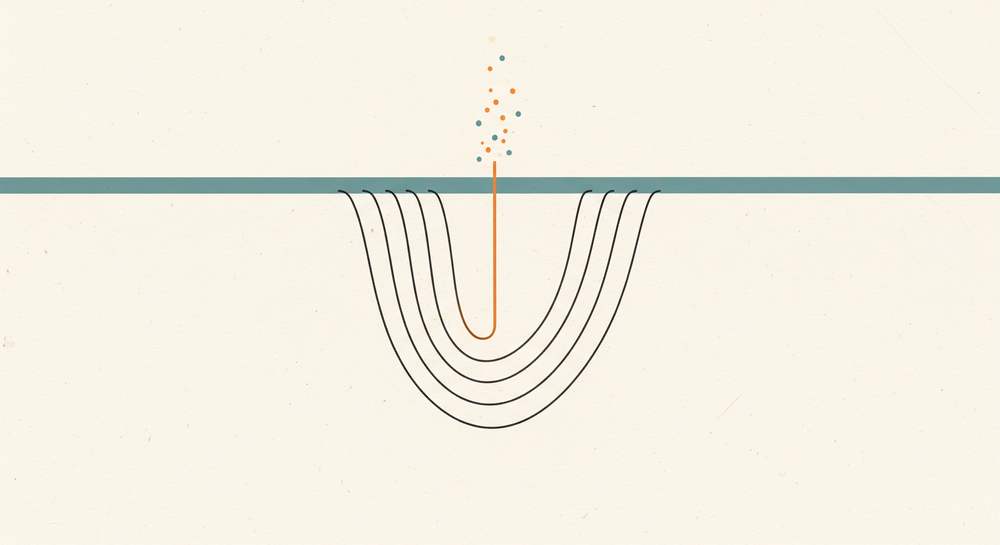
그런데, 이게 다 그 사람 안에서 일어난 일일까
그런데 이 네 권의 책을 덮고 나면, 한 가지가 자꾸 걸린다. 이게 다 미도리 안에서만 일어난 일일까. 채워지지 않는 입도, 꺼내 보이는 그림자도, 닫히지 않는 갈애도, 부풀리는 버릇도, 전부 미도리라는 한 사람의 안쪽 사정으로만 읽으면, 결국 미도리는 애정에 굶주린 결함 많은 여자가 된다. 그런데 미도리가 그 입을 갖게 된 자리를 생각하면 그 결론은 어딘가 부당하다.
이제마는 사람이 놓인 자리가 그 사람의 능을 명한다고 적었다. 미도리가 놓인 자리는, 가난을 감추며 부유한 아이들 사이에서 겉돌던 교실이었고, 어머니와 아버지를 차례로 병상에서 떠나보낸 어린 딸의 자리였다. 누구도 그녀에게 받는 법을 가르쳐줄 새 없이, 자리가 먼저 그녀에게 차리는 역할을 떠맡겼다. 격치고를 펼치면 이제마는 더 매서운 말을 한다. 어떤 힘이 내게 있으면 사람들이 내게 다가오고, 그러면 나는 반드시 빼앗는 쪽으로 움직이게 된다고. 그 문장에서 ‘반드시’가 두 번 박혀 있다. 이건 그 사람이 나빠서가 아니라, 자리가 그런 행동을 강요한다는 뜻이다. 미도리에게 배정된 역은 차리는 자였고, 차리는 자는 결국 받지 못한 채 굶는다. 미도리의 허기는 그녀가 만든 것이 아니라, 그 자리가 그녀에게 굳혀준 것이다.
이제마는 그래서 사람의 비뚤어짐을 종자로 보지 않았다. 같은 물이 산속에서는 샘물이고 강가에서는 강물이고 바다에서는 바닷물이듯, 한 사람이 지금 어디서 어떻게 굳었는가의 문제일 뿐이라고. 미도리의 굶주림도 그녀라는 종자의 결함이 아니라, 그 자리에서 그렇게 굳은 물의 모양이다. 그러니 미도리를 결함 많은 여자로 닫는 읽기는, 자리가 강요한 굳음을 그녀 한 사람의 탓으로 돌리는 일이 된다.
그렇다면 미도리의 활기는 무엇인가. 이제마에게는 반성이라는 말이 있다. 흔히 다시 착해진다는 뜻으로 읽지만 그가 쓴 결은 다르다. 굳은 길로 흘러 들어가기 직전에, 다른 상으로 떠오르는 것. 가라앉기 전에 증발하는 것에 가깝다. 그리고 그것은 한 번 도달하면 끝나는 완성이 아니다. 그는 쉰일곱 살에도 여전히 속이는 마음을 못 버렸다고 고백하며, 매번 졌고 매번 다시 돌아왔다고 적는다. 도달점은 없다. 매 순간 떠오르는 그 기울기만이 전부다.
미도리의 명랑을 나는 거기에 둔다. 그것은 상처가 다 나아 평온해진 사람의 웃음이 아니다. 슬픔이 굳어 가라앉으려는 바로 그 자리에서, 매번 다른 상으로 떠오르는 움직임이다. 그래서 미도리의 활기는 완성이 아니라 진행이다. 나오코가 자기 안의 어둠으로 끝내 가라앉을 때, 미도리는 가라앉지 않는다. 구원에 도달해서가 아니다. 가라앉으려는 그 순간마다, 다시 한 번 떠오르는 중이기 때문이다. 한 번 떠올랐다고 끝이 아니라서, 그녀는 내일도 또 떠올라야 한다. 그 끝없는 떠오름이 미도리의 활기의 정체다.
다시, 부엌
다시 부엌이 떠오른다. 누군가를 위해 상을 차리고 마지막에 앉는 사람. 이제 나는 그 사람이 단지 배고픈 사람이라고만 생각하지 않는다. 굶주린 채로도 매일 다시 일어나 불을 켜는 사람, 가라앉을 자리에서 매번 한 번 더 떠오르기로 하는 사람. 미도리는 그 부엌에 여전히 서 있다. 식어버린 자기 몫의 허기를 안은 채로, 그래도 오늘 또 누군가의 상을 차리면서.
— 최장혁 —

Someone is always in the kitchen. The person who gets up before the family sits down at the table, who heats the soup and dishes out the side plates, and only takes a seat herself when everything is laid out. There is something strange about watching someone like that. When, I find myself wondering, was she hungry? While she was serving, what turned cold was not the food but her own hunger—that is what I keep thinking.
When I first read about Midori, that kitchen came to mind. She is always serving something. She brings homemade lunches, sets a Kansai-style spread on the table, pushes cucumber into her dying father’s mouth. Someone who has rarely been given keeps giving without end. And for her own portion she demands—says she wants—a strawberry shortcake she will not actually eat. She wants someone who won’t get angry even if you throw it out the window: buy it when she says she wants it, then not take offense when she says never mind, just throw it out. At first it sounds like cheerful pouting. But it keeps coming back. Why food of all things, and why love that can be thrown away?
Freud
Freud would have looked at Midori’s mouth. In Three Essays on the Theory of Sexuality, he wrote that the most ancient form of love is the mouth. Suckling is nutrition and pleasure at once; at that stage, love and eating have not yet separated. And somewhere he adds a strange observation: that every person, regardless of the actual circumstances, carries some form of dissatisfaction about not having been suckled enough—and that this original hunger is essentially unsatisfiable. The pain of losing the breast, he wrote, is something no one ever fully overcomes. The child translates this insufficiency into one thing: there was not enough love.
Midori carries that mouth in an adult body. She speaks of love in the language of feeding. She brings lunches, sets tables, pushes food into her father’s mouth at his sickbed. Someone who was rarely given keeps giving without end. And for her own portion she asks for a cake she will not eat. Freud would have said the cake is ultimately the breast. Just as lovers at the height of intimacy say “I could eat you up,” what Midori wants from Watanabe is close to consuming him and taking him inside herself. She knows it cannot be filled, yet the mouth will not close. Wanting someone who won’t be angry when you throw the cake away is, in the end, wanting a breast that won’t disappear even if thrown away. Never having been loved quite that way, she can only imagine love in that impossible size.
Jung
Jung would have looked somewhere different. When Midori tosses out remarks about death and sex as if they were nothing, she takes what most people rush to cover and brings it out into the open. What sorts of lewd images she entertains, what thoughts crossed her mind before her father died—she says these things as if they were unremarkable. Jung called such dark material the shadow: the place where animal instincts gather, along with everything inferior and shameful. Deny it, he wrote, and a person becomes flat and loses substance. How could anything have weight without casting a shadow? Saying yes to the shadow is what moves a person not toward perfection but toward wholeness.
At this point Midori reads like a mirror held up to Naoko. Naoko cannot bring herself to embrace the dark things inside her; what is suppressed festers within until she collapses. Midori brings the same darkness out and lives it. That is why Midori has a three-dimensional weight that Naoko lacks. But Jung extends a blade alongside this. He distinguishes between bringing one’s darkness out and genuinely confronting it face to face. Displaying one’s shadow, or indulging in melancholy and guilt, is enormously tempting, he wrote—but it is another form of self-deception that conceals the real encounter. True integration demands immense moral effort. So which side is Midori’s relentless candor? Has she embraced her shadow, or is she displaying it to conceal something deeper still? I cannot decide, even by the last page. Probably both. The way Midori’s vitality is genuine and simultaneously a wall.
Buddhism
Moving to the Eastern side, the same longing takes a different face. Buddhism calls it 渴愛 (tanha—craving or thirst). In a passage from the 雜阿含經 (Saṃyukta-āgama, the Connected Discourses, one of the early Buddhist canonical collections), the Buddha describes craving as something that becomes a net, and glue, and a wellspring, and a lotus root. Once caught, it does not release; gripped in the hand, it clings stickily; filled, it springs up again. Another sutra adds: wherever craving arrives, it clings to what it finds. Where Freud speaks to where Midori’s hunger came from, Buddhism speaks to the fact itself—that this hunger simply does not close. Whether the cake is bought or Watanabe stays at her side, Midori’s longing does not end in satisfaction. Fill it, and the next longing rises immediately. The terror of craving is not that the object is insufficient but that no matter how fully the object is supplied, craving itself does not diminish. Midori is pitiable not because she received too little love but because even if she received it, that mouth would not close.
Yi Je-ma
Coming this far, as a practitioner of Korean medicine I think of Yi Je-ma. His 四象心學 (Sasang Simhak—the psycho-ethical dimension of four-constitution medicine) reads human nature in four registers; Midori’s unguardedness, her candor, her outward-reaching vitality all resemble the grain of the 少陽人 (soyang-in—the Lesser Yang constitution). Yi Je-ma assigns to the Soyang type the capacity of 度量 (doryang—measured discernment: the power to assess what one has seen and felt without inflation, and convey it to another as it actually is). When this 度量 slips, it becomes 過心 (gwasim—overblown perception: reporting what one has seen larger than it actually was). A commentator on Yi Je-ma likens this to the habit of describing a fairly large sparrow as eagle-sized—saying something bigger than it is in order to make oneself appear more than one is.
Lay Midori’s famous request over this. The simple desire to be loved she inflates to eagle-size: someone who won’t be angry even if you throw it out the window. She cannot ask for ordinary affection in ordinary terms; she enlarges it to an impossible shape and presents it. Her frank discourse on sexuality can be read the same way—“look at me” spoken in the size of a provocation. Though I do not want to close Midori with 過心 alone. Yi Je-ma saw another capacity in the Soyang type: 才幹 (jaegan—practical capability, the power to actually accomplish things by moving through the world). Midori has not lost that 才幹. She does not stay down. Even while speaking in overblown terms, she keeps laying tables, keeps vigil at the sickbed, keeps moving through life. The exaggeration is only the shadow of that vitality; it does not erase the vitality itself.
But — Did All of This Happen Only Inside Her?
Yet put these four books down and one thing keeps catching. Did all of this happen only inside Midori? If the unsatisfiable mouth, the displayed shadow, the unclosing craving, the inflating habit—if all of it is read only as the interior situation of one person named Midori, she ends up as a woman with a defective hunger and a tendency to exaggerate. But when you think about the position in which Midori came to have that mouth, that conclusion feels somehow unjust.
Yi Je-ma wrote that the position in which a person is placed commands that person’s capacity. The position in which Midori was placed was a classroom where she concealed poverty while drifting among affluent children—and the position of a young daughter who watched first her mother, then her father, through a sickbed and out of the world. Before anyone could teach her how to receive, the position had already assigned her the role of the one who serves. Open the 格致藁 (Gyeokchigo—Yi Je-ma’s collected philosophical writings) and he says something more pointed still: 我有識見人必歸我我必行欺, “When I have insight and perception, people will inevitably come to me—and from that position I will inevitably move toward exploitation.” The word inevitably appears twice in that sentence. This is not because the person is bad; it is because the position compels this behavior. The role assigned to Midori was that of the one who serves, and the one who serves goes unfed without receiving. Midori’s hunger was not something she made; it was something the position hardened into her.
That is why Yi Je-ma did not see a person’s crookedness as an innate seed. Just as the same water is a clear spring in the mountains, a river beside the riverbank, and seawater in the sea, it is only a matter of where and how a person has hardened in a given place. Midori’s hunger is not a flaw inherent to her as a person but the shape water takes when it hardens in that position. To read Midori as a woman full of defects is therefore to assign to one person alone the blame for a hardening that the position compelled.
So what is Midori’s vitality? Yi Je-ma has a word: 反誠 (banseong). It is commonly read as “returning to goodness,” but the current he intended runs differently. It is the movement of surfacing in a different form just before flowing into the hardened channel—closer to evaporating before sinking. And it is not a completion one reaches once and is done with. He confessed that even at fifty-seven he had not yet shed his deceiving mind, writing that he lost every time and returned every time. There is no destination. Only the inclination to surface at every moment—that is all there is.
That is where I place Midori’s brightness. It is not the smile of someone whose wounds have healed and who has come to peace. It is the movement that, at the very moment grief is hardening and about to sink, surfaces each time in a different form. Midori’s vitality, therefore, is not completion but process. Where Naoko sinks at last into the darkness inside herself, Midori does not sink—not because she has reached salvation but because at each moment of sinking she is in the act of surfacing once more. It is never finished with one surfacing, and so tomorrow she must surface again. That endless surfacing is what Midori’s vitality actually is.
Back to the Kitchen
The kitchen comes back to me. The person who lays out someone else’s table and is the last to take a seat. I no longer think of her only as someone who is hungry. A person who gets up every day and lights the burner even while starving; a person who, at the very place where she would sink, keeps choosing to surface one more time. Midori is still standing in that kitchen. With her own cold, unfed hunger held inside her, she is laying someone else’s table again today.